Finding the right Charlestown home often comes down to space, style, and how easily you can park. If you have ever circled the block on a winter night, you know parking can shape daily routines and long-term value. You want clear answers on what each option really means, what rules apply, and how to protect your purchase. In this guide, you’ll learn how parking works in Charlestown, the trade-offs of each setup, and the exact steps to verify details before you buy or sell. Let’s dive in.
Charlestown parking at a glance
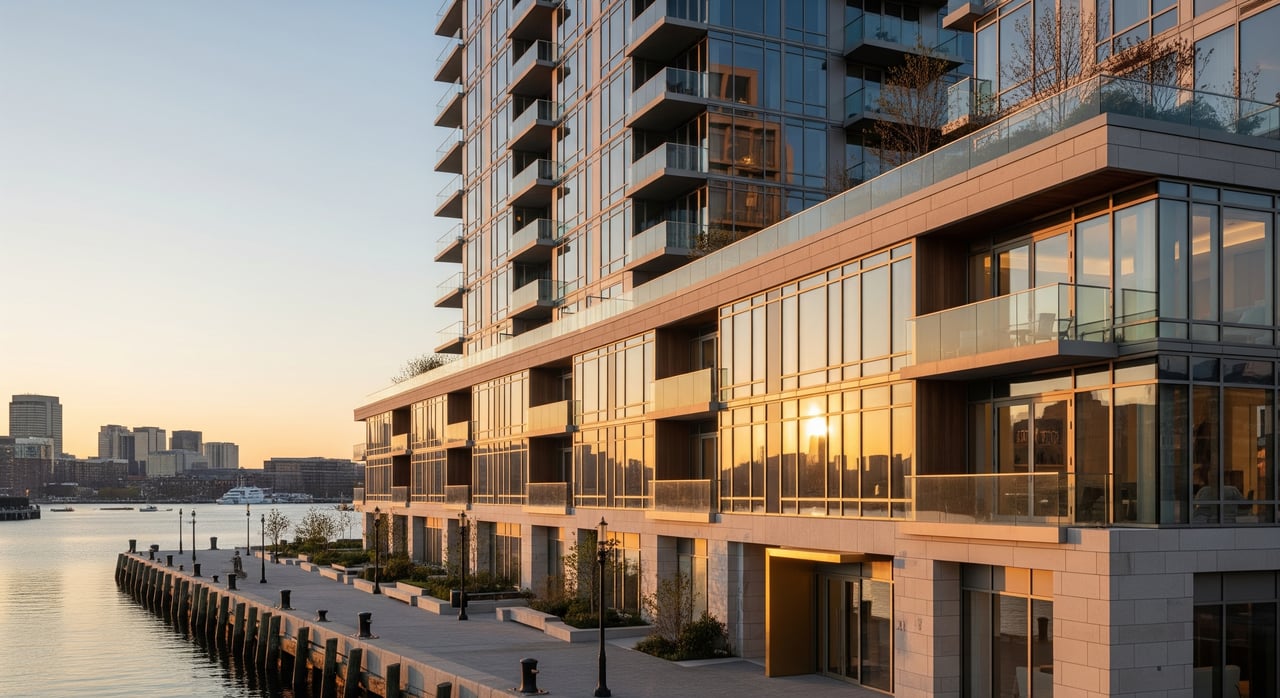
Charlestown is a dense, historic Boston neighborhood with a mix of rowhouses, low-rise condos, and newer buildings. Parking arrangements vary from deeded garage stalls to resident permit street parking. Because dedicated spaces are limited, the type of parking a property offers can affect convenience, carrying costs, and resale appeal.
Common parking types
Deeded off-street parking
A deeded space is written into the deed, master deed, or condo documents and transfers with the property. It can be a surface stall, covered garage stall, or a tandem stall. This is typically the most secure and marketable option because you own a clear legal right to the space.
Assigned condo garage space
Some condo associations assign spaces without deeding them separately. The assignment may be recorded in association rules or meeting minutes. You should confirm how the assignment transfers, whether there are reassignment fees, and if the board can change locations or run waiting lists.
Tandem spaces
Two cars park in line so one blocks the other. Tandem spaces can be deeded or assigned. They are practical in narrow garages but require coordination and may be viewed as less convenient than single, independent stalls.
Private garages and driveways
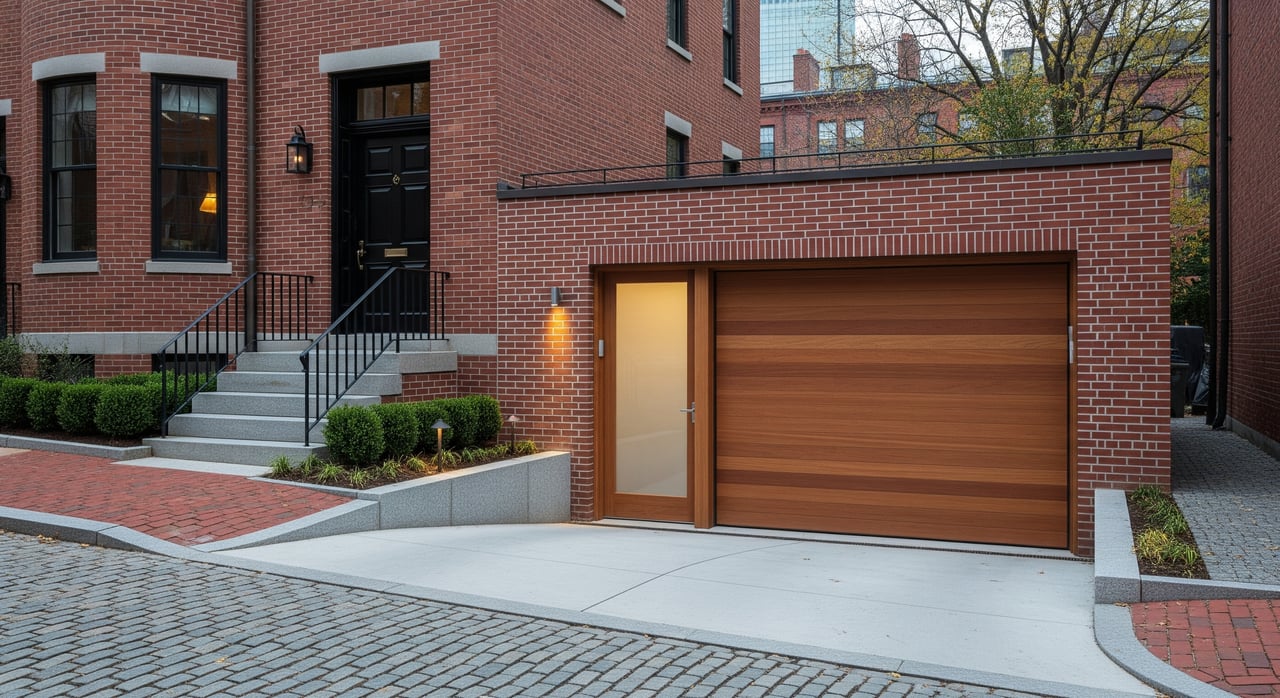
Single-family homes or townhomes may offer attached or detached garages, or driveways. Garages add storage and weather protection. If a driveway crosses another lot or a shared lane, verify recorded easements and maintenance responsibilities.
On-street permit parking
Public on-street parking in Charlestown is governed by Boston’s Resident Parking Program. Rules can include permit eligibility, guest permits, enforcement hours, and winter restrictions. Since policies vary by block and zone, confirm the exact zone, requirements, and hours for your address.
Leased off-site parking
If a home lacks a dedicated space, monthly leases in nearby lots or garages can fill the gap. Prices and availability change with demand and season. Use current market platforms and local operators to check rates and terms before you commit.
Shared or storage-only spaces
Some arrangements involve shared access agreements or spaces designated for storage or bikes. Review recorded documents and association rules closely to avoid misunderstandings.
Local rules to know
Resident Parking Program basics
Many Charlestown blocks fall within Boston’s Resident Parking Program. Permits are typically tied to your address and zone. Verify permit eligibility, required documentation, guest permit format and limits, and street-specific enforcement hours. Snow emergencies and street cleaning can temporarily change parking rules.
Condo and association policies
Condominiums often spell out parking assignments, guest parking, towing, fines, snow removal, and whether parking expenses are included in condo fees. If the space is deeded, the master deed and recorded plan will describe its exact location and any related easements.
Easements and recorded rights
Shared driveways, curb cuts, or access lanes often rely on easements recorded at the Suffolk County Registry of Deeds. Confirm who can use the area, who maintains it, and any restrictions on vehicle size or parking.
Zoning and new development
Boston planning policies influence how much parking new buildings provide. In dense, transit-served areas, newer developments may include fewer spaces per unit, which can increase competition for leased or on-street options.
Transit and mobility options
Proximity to downtown, access to North Station, ferry service, and local bus routes reduce day-to-day reliance on private parking for some residents. Carshare and bike infrastructure can also offset the need for a dedicated stall.
How parking impacts value
- Value premium. A dedicated, deeded space in an urban setting often commands a premium relative to similar homes without parking. The premium varies by building type, supply, and buyer demand. Use local MLS comparables to gauge the impact for a specific property.
- Marketability. Listings that clearly include deeded or assigned parking tend to attract a wider buyer pool and can sell faster in neighborhoods with permit constraints.
- Practical trade-offs. Tandem or tight spaces may reduce convenience and limit the buyer pool. On the flip side, buyers who rely on transit may accept on-street or leased options.
- Ongoing costs. Garage upkeep, snow removal, and security may be part of condo fees. Leased off-site spaces add a monthly expense and should be included in affordability planning.
- Resale clarity. Deeded spaces typically transfer cleanly and are easier to market. Assigned or first-come arrangements require extra documentation and clear disclosures.
Buyer due diligence checklist
Use this checklist to verify parking details before you make an offer.
Title and legal documents
- Identify parking type: deeded, assigned, leased, or none.
- If deeded, review the deed, master deed, and recorded plan to confirm the stall’s legal description and that it transfers with the unit.
- Search the Suffolk County Registry of Deeds for easements, restrictions, or recorded parking agreements.
- For driveways crossing neighboring property, confirm a recorded access easement and maintenance terms.
Condo or association specifics
- Check whether condo fees cover parking maintenance or if there are separate charges.
- Review the budget and reserves for garage repairs or capital projects.
- Ask about waiting lists, reassignment policies, and transfer procedures for spaces.
- Understand guest parking rules, time limits, and towing policies.
Physical inspection and fit
- Measure stall length, width, and height clearances. Tight turning radii and columns can affect usability.
- Confirm gate security, lighting, and whether the space is covered or open-air.
- For tandem, determine how access is coordinated and whether a formal agreement exists.
Access and logistics
- Confirm access hours and gate operation, plus fob or remote policies.
- Verify curb cut location, ramp slope, and whether you must cross a sidewalk or private way.
- Clarify snow removal responsibility and winter access.
Municipal context
- Verify whether the block is within a resident permit zone and confirm guest permit availability.
- Note seasonal restrictions like street cleaning or snow emergency rules.
Financial considerations
- For leased spaces, request the lease, term, monthly cost, and transfer rules.
- Ask sellers about any liens or assessments related to garages or lots.
Market comparables
- Pull nearby comps that specify parking status to understand pricing differences.
- Check current listings for nearby rented or private parking to estimate monthly costs.
Strategies if a home lacks parking
- Lease nearby space. Search local garages or lots for monthly options and compare walk times and contract terms.
- Use the Resident Parking Program. If eligible, plan for on-street parking and understand guest permit rules and enforcement hours.
- Right-size vehicle needs. Households that use transit, bikes, or carshare may not need a dedicated stall.
- Negotiate to reflect costs. If you must lease parking, consider how the added monthly expense affects your offer.
- Ask about association options. Some buildings maintain waiting lists or occasional rental opportunities for owners.
Seller tips to maximize appeal
- Document clearly. Provide the deed pages, recorded plan, or assignment letter showing the space and transfer terms.
- Show the space. Photograph the stall, entry gate, and turning areas. Include measurements and clearance notes.
- Explain tandem logistics. Outline how access is coordinated and any formal agreements.
- Clarify costs. Note whether parking is included in condo fees or billed separately, and any pending garage assessments.
- Address winter operations. Share snow removal procedures and access details.
- Highlight alternatives. If the property lacks dedicated parking, note nearby leasing options or transit access for context.
When to bring in the pros
Parking intertwines legal rights, building rules, and daily convenience. Work with your agent and closing attorney to review deeds, recorded plans, easements, and association documents. Use current local comps to quantify value differences and check market platforms for real-time garage availability and pricing.
If you want help weighing trade-offs for a Charlestown property, we’re here to guide you.
Ready to compare your options and understand the impact on value? Connect with the Fedorouk and Guessous Group for local, data-informed advice.
FAQs
What does “deeded parking” mean in Charlestown?
- A deeded space is described in the deed or condo documents and transfers with the property, giving you a legal, transferable right to that specific stall.
How does Boston’s Resident Parking Program affect Charlestown streets?
- Many blocks are resident-permit only with specific enforcement hours and guest permit rules. Verify your address’s zone, eligibility, and seasonal restrictions before relying on street parking.
Are tandem parking spaces a drawback for resale?
- Tandem can reduce convenience because one car blocks the other, which may narrow the buyer pool. Clear documentation and practical access details help set expectations.
How do I verify a driveway or shared access in Charlestown?
- Review recorded easements and rights-of-way at the Suffolk County Registry of Deeds and confirm maintenance responsibilities and any restrictions with your attorney.
What should I confirm about an assigned condo space?
- Ask how the assignment transfers at closing, whether locations can be changed by the association, and if there are reassignment fees or waiting lists.
How much does monthly garage parking cost near Charlestown?
- Rates vary by location and season. Check current local platforms and operators for up-to-date availability, pricing, and terms before you commit.