Are you comparing Beacon Hill condos and wondering why fees can look so different from one building to the next? You are not alone. In this historic Boston neighborhood, building style, amenities, and preservation rules all influence monthly costs. In this guide, you will learn what condo fees typically cover, how brownstones differ from elevator buildings, and how to evaluate fees like a pro before you make an offer. Let’s dive in.
What condo fees usually cover
Condo fees fund the building’s shared expenses and future repairs. In Beacon Hill, the mix can vary, but you will often see these line items:
- Common-area upkeep and cleaning
- Utilities for shared spaces and sometimes heat and hot water
- Building master insurance
- Property management, accounting, and legal services
- Repairs and routine maintenance
- Reserve fund contributions for big capital projects
- Amenities such as a concierge, fitness room, or common laundry
- Required inspections and safety systems
- A small contingency line for unexpected items
Under Massachusetts condominium law, associations set an annual budget and levy monthly assessments. They can also levy special assessments for large or unexpected needs. Your review of the budget and financials will show how stable fees may be.
Brownstones vs elevator buildings
Brownstones: what to expect
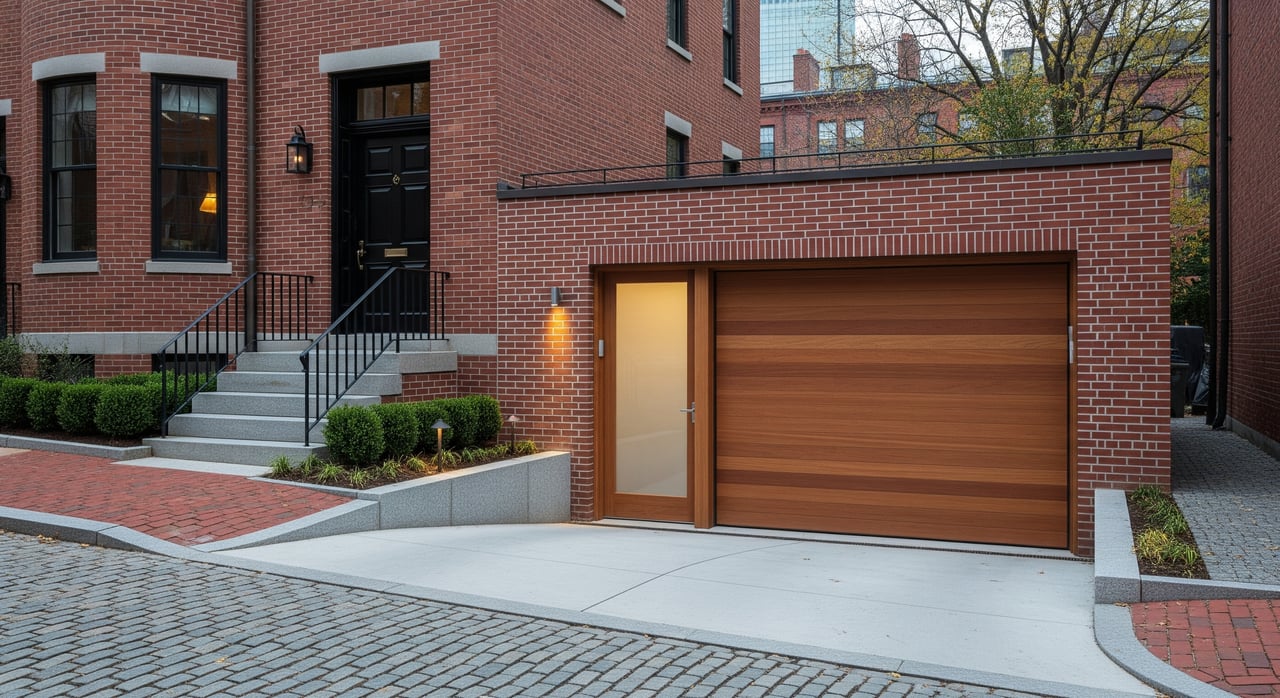
Small, historic brownstones are common on Beacon Hill’s side streets. You typically see fewer units, no elevator, and limited amenities. Fees can be lower because there is less staff and smaller common areas, but costs are split across fewer owners. That means a single roof or masonry project can create a larger per-unit share or a special assessment.
Exterior work in the Beacon Hill historic district often requires approval from the local preservation authority. That can add time and may require specific materials. Plan for careful reserve funding and a longer lead time for façade, window, and masonry work.
Elevator buildings: what to expect
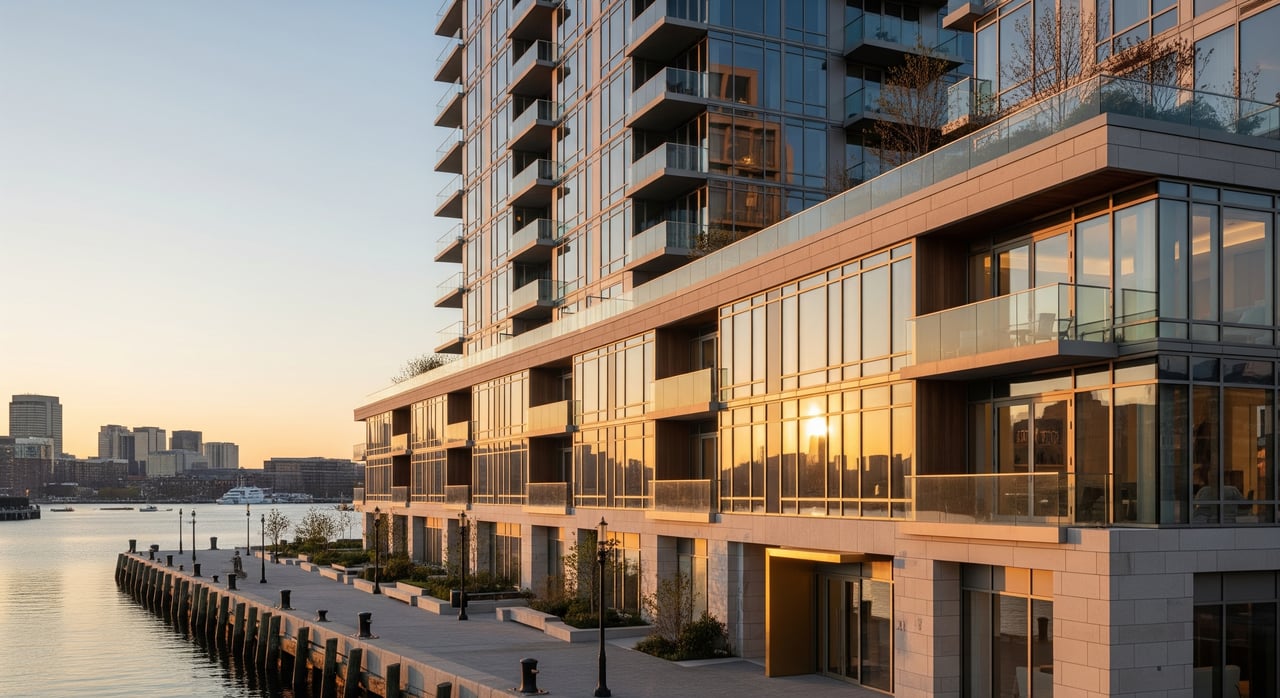
Elevator buildings in central Beacon Hill usually have more units, central heating and hot water, and services such as a doorman or concierge. Fees can be higher because they include elevator service, staff, and more extensive common-area upkeep. The larger owner base can bring more predictable budgeting, but systems like elevators and boilers eventually need modernization. Good reserve planning is essential.
How to read an HOA budget
When you review an association’s budget, look for clarity and alignment with the building’s needs.
- Identify the biggest cost drivers. In brownstones, exterior envelope work and insurance are common drivers. In elevator buildings, add staff, elevator service, and central utilities.
- Check what utilities are included. Heat and hot water can be a major cost if the building has a central system.
- Compare fees to services. A higher fee can be fair value if it includes heat, hot water, elevator service, and a concierge.
- Confirm the contingency and professional services. Legal, accounting, and management help the association stay compliant and organized.
Reserves and special assessments
The reserve fund is the association’s savings for big capital items like roofs, masonry repointing, elevator modernization, or boiler replacement. A healthy reserve reduces the chance of sudden special assessments.
- Ask for the reserve study and the current reserve balance. A recent reserve study signals proactive planning.
- Review recent and pending special assessments. Frequent or large assessments can indicate underfunding or deferred maintenance.
- Consider association size. In small brownstones, even modest projects can create large per-unit costs. In larger buildings, the cost is spread across more owners but the projects can be larger.
If reserves are low and big projects are coming up, expect the risk of a special assessment. This is common in historic districts where exterior projects must meet specific standards.
Utilities and master insurance
What is included in your fee matters just as much as the amount.
- Heat and hot water. In many brownstones, heating may be individual and billed to owners directly. Some brownstones and most larger buildings have central systems. If heat is included, ask for past-season consumption and fuel type.
- Master insurance. Policies vary from bare-walls to more inclusive coverage. Verify the deductible. A high deductible can lead to owner costs after a claim if the association does not cover it.
Understanding these items helps you compare two listings with very different fees.
Elevators, boilers, and compliance
Elevators require ongoing service contracts, routine inspections, and eventual modernization. These are recurring costs in elevator buildings. Central boilers and hot water systems also need regular maintenance and, at times, replacement.
State safety and inspection rules apply to systems like elevators and some heating equipment. In Beacon Hill, historic review often applies to exterior work such as slate roofs, chimneys, window restoration, and brownstone facades. These factors should be reflected in the budget and reserves.
Due diligence checklist for buyers
Before you make an offer, request and review:
- Current annual budget and recent financial statements
- Reserve study, reserve balance, and projected capital plan
- Minutes from the past 12 to 24 months of meetings
- Any pending or recent special assessments
- Master deed, bylaws, rules, and the master insurance policy
- Service contracts for management, elevator, heating, landscaping, and snow
- Owner roster and owner-occupancy vs rental ratio
- Any current litigation involving the association
- Recent engineer or architect reports on the building envelope or systems
- Evidence of recent historic-district approvals for exterior work
Smart questions to ask at a showing
- Is heat included in the fee, and what fuel is used? Can I see past utility data if heat is included?
- What capital projects were completed in the last five years, and what is planned next?
- How often are special assessments levied, and for what reasons?
- Are there open applications or approvals pending with the preservation authority?
- What is the policy for emergency repairs and how are costs allocated?
- How are parking, storage, and amenities handled and billed?
Comparing fees across listings
It can help to compare fee-per-square-foot across similar units, but use this metric with care. Always normalize for what is included.
- If one building includes heat, hot water, and elevator service, a higher fee may still be better value.
- A lower fee in a small brownstone can mean you pay utilities directly and may face higher volatility if a capital project hits.
- Look at insurance, staff, and maintenance contracts. These reveal the true service level behind the number.
- Consider the age of major systems. Older elevators, boilers, roofs, or windows increase near-term risk.
Planning for historic exteriors
Beacon Hill is a protected historic district. Exterior projects often need review and approval before work begins. This can affect project timing and materials, which influences cost and reserve planning.
When you see a building with a recently restored façade, new slate roof, or window work, ask when the next phase is planned. A building that stays ahead on exterior maintenance often has fewer surprises later.
Final thoughts
In Beacon Hill, there is no single “right” condo fee. The best fee is one that funds the services you want, covers the utilities you need, and builds adequate reserves for future projects. Brownstones often offer lower baseline fees with higher volatility. Elevator buildings cost more each month but cover more services and may offer steadier budgeting.
If you want help comparing specific buildings, our team is local and hands-on. We can review budgets, walk you through reserves and special assessments, and align the fee profile with your lifestyle and goals. Reach out to the Fedorouk and Guessous Group for thoughtful guidance on Beacon Hill condos.
FAQs
What do Beacon Hill condo fees usually include?
- Most fees cover common-area upkeep, master insurance, utilities for shared spaces, management, routine repairs, reserves, and any amenities the building provides.
How do brownstone fees compare to elevator buildings?
- Brownstones often have lower baseline fees but fewer services and more volatility per unit, while elevator buildings have higher fees that cover elevators, staff, and central utilities.
What is a special assessment in a Beacon Hill condo?
- It is a one-time or limited-term charge approved by the association to fund major or unexpected projects when reserves are not enough.
How can I tell if reserves are healthy?
- Review the reserve study, current balance, and scheduled capital projects; compare known needs like roofs or elevators against the savings plan.
Are heat and hot water included in Beacon Hill condo fees?
- It depends on the building; many elevator buildings include them, while some brownstones have individual heating where owners pay directly.
What documents should I review before buying a Beacon Hill condo?
- Ask for the budget, financials, reserve study, meeting minutes, special-assessment history, governing documents, master insurance, service contracts, and any recent engineering reports.