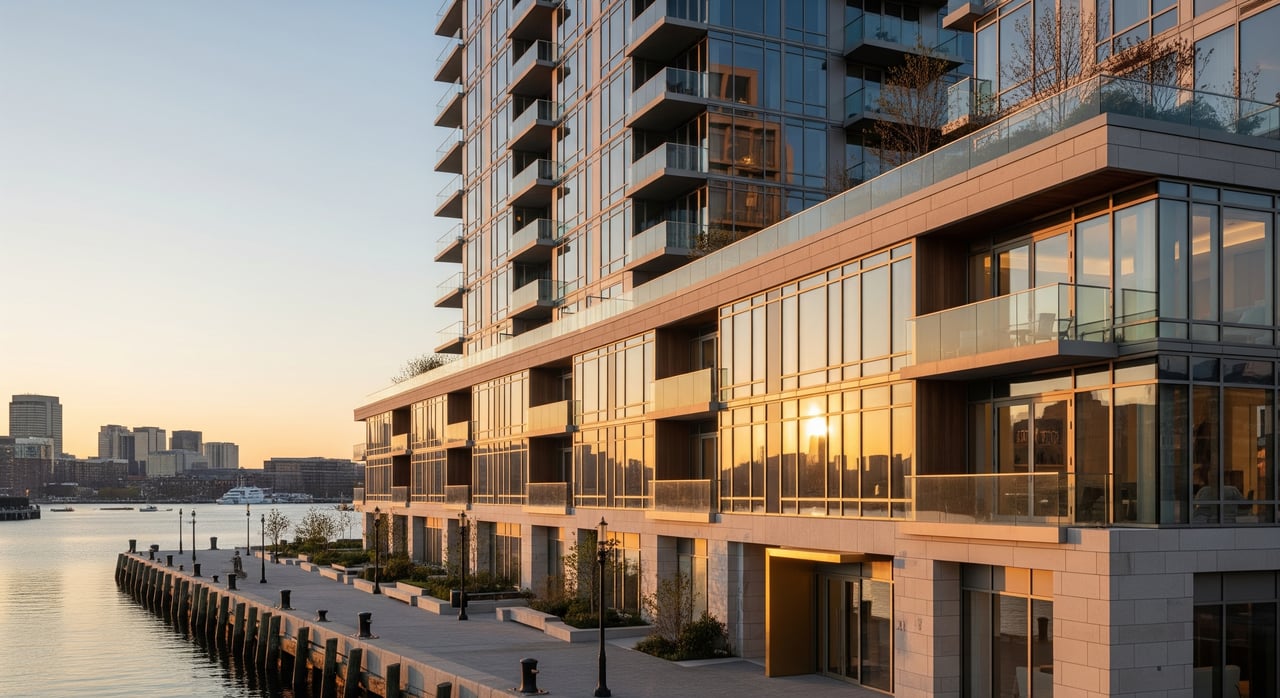
Thinking about a brand-new condo in Boston’s Seaport? The skyline is changing fast, the amenities are eye‑catching, and the lifestyle is hard to beat. Still, buying in a pre‑construction or newly finished tower is different from purchasing a resale home. You face longer timelines, staged deposits, strict selection windows, and building rules that shape how you live and rent. In this guide, you’ll learn how Seaport new construction works, what it really costs, and how to plan with confidence. Let’s dive in.
Seaport basics that matter
Boston’s Seaport is a major development area with large, mixed‑use towers that go through Boston Planning & Development Agency review. This process can shape the final scope of a project, its community benefits, and its schedule. Many projects are built in phases, so your tower might be one part of a larger plan. That can influence when shared amenities open, where parking is located, and when common areas are fully complete.
The Seaport sits on reclaimed waterfront land. That means a higher exposure to coastal flooding and storm surge compared with some other Boston neighborhoods. You should review FEMA flood maps, ask about the building’s flood‑mitigation design, and confirm how mechanical systems and utilities are protected. These choices can affect insurance needs and long‑term maintenance costs.
Most Seaport buildings are luxury, amenity‑rich towers. Think concierge service, pools, fitness centers, lounges, and private dining rooms. The upside is comfort and convenience. The tradeoff is higher monthly condo fees than you see in smaller, older buildings. Parking and storage are often sold separately, and parking can have a different deed or a license structure.
How the purchase process works
Buying new construction in the Seaport follows a predictable arc, though timelines vary by tower and phase. Here is what you can expect from reservation to move‑in.
Reservation and contract
You typically start with a reservation or expression of interest. This is a small, refundable deposit that holds a unit for a short window. Next comes the Purchase and Sale Agreement. The P&S sets your deposits, contingencies, upgrade terms, and closing conditions. You will also receive condo documents, which may be in draft form at this stage and finalized before or at closing.
Selections and upgrades
You get a defined window to choose interior finishes and any upgrade packages. Selections often include flooring, cabinetry, countertops, plumbing fixtures, lighting, and appliances. Deadlines are firm. Late changes may trigger fees or become impossible once construction passes certain milestones. Builders sometimes offer credits for upgrades at sales launch or during slower periods, but those are negotiated up front and documented in your contract.
Construction and closing
Your unit will move from framing to interior fit‑out as the building climbs. Near completion, you do a walkthrough and create a punch list. The developer addresses those items during a set period. You close after the building receives a Certificate of Occupancy, or a Temporary Certificate of Occupancy if allowed. At closing, your deed records and your mortgage funds.
Real timelines to expect
Large towers often span 18 to 36 months, and delays of several months are common. Causes include permitting steps, supply chain issues, labor shortages, or site conditions. Contracts usually include target dates with provisions for extensions. Some provide limited liquidated damages for delays, while others do not. Plan for timeline shifts and have a backup housing plan in case completion moves out.
What it costs beyond price
The sticker price is only part of the picture. You will make deposits during construction, line up financing under specific project rules, and pay ongoing condo fees once you own the unit.
Deposits and escrow
Deposits are staged. You start with a reservation deposit, then make one or more contract deposits that often total 5 to 20 percent of the purchase price. Additional deposits may be due at set milestones, such as 90 days after signing. Funds are held in escrow by the developer’s attorney, a title company, or an escrow agent. Your contract defines when deposits become non‑refundable. Read the timelines and contingency language closely.
Financing and project approval
Your lender will underwrite you and the condo project. Many lenders rely on Fannie Mae or Freddie Mac guidance that looks at project details. That can include the percentage of sold units, owner‑occupancy levels, reserve funding, and review of the condo instruments. Some lenders limit financing until the condo documents are executed and the project hits certain sales thresholds. Start with a lender who knows new condos well so you understand your options and timing.
Closing costs and assessments
Expect standard closing costs for your mortgage, title insurance, and recording. Local recording and registry fees apply in Suffolk County. Some buildings collect a one‑time capital contribution at closing to fund initial operations. Monthly condo fees begin when you own the unit and increase as the association operates. Fees in luxury towers reflect concierge, security, on‑site staff, and amenities. Ask for the projected fee per square foot and what utilities and services it includes.
Parking and storage
Parking and storage are often separate purchases. Confirm whether your parking is deeded, licensed, or leased, and ask about EV infrastructure or bike storage. These details affect your cost, your deed, and your resale plan.
Resilience and flood planning
You are buying on the waterfront, so you should understand the building’s approach to storms and sea level rise. Review FEMA flood zone maps and the building’s design elevation. Ask where the garage and lobby sit relative to flood elevation, how utilities are protected, and what floodproofing is in place. This affects the building’s insurance, the master policy deductible, and whether your lender will require separate flood insurance for your unit.
If a project is part of a multi‑phase plan, confirm how future site work and landscape changes relate to resilience strategies. You should also ask how flood measures impact maintenance and long‑term costs.
Condo documents to review
Before you sign the P&S or during your review window, gather the governing documents and the budget. These set the rules for how the building runs and what you can do with your home.
Governing documents and rules
Key documents include the Master Deed, Declaration of Trust or Bylaws, and House Rules. These define ownership of common areas, the voting structure, and how parking and storage are allocated. They also explain how special assessments are levied and how the board operates. Ask about any pending litigation and any developer rights to control the association for a period after opening.
Budget, reserves, and assessments
New associations usually start with limited reserves. Many buildings collect an initial capital contribution, then fund reserves through monthly fees. Review the first‑year budget and any reserve study to see how realistic the numbers look. If reserves are low and big costs are ahead, the board can levy special assessments under the rules in the bylaws and state law.
Rental and short‑term rules
Boston requires registration and taxes for short‑term rentals. Many luxury towers restrict or prohibit short‑term rentals to protect financing eligibility and insurance pricing. Check minimum lease terms and any caps on the number of rentals. If you plan to rent your unit, confirm the rules and approval process before you commit.
Warranties, inspections, and move‑in
New construction comes with structured protections and clear procedures near closing.
Builder warranties
Most builders provide tiered coverage. A common structure is 1 year for workmanship and materials, 2 years for systems like mechanical, electrical, and plumbing, and up to 10 years for major structural elements. Exact terms vary. Get warranty documents in writing and learn how to file claims.
Walkthroughs and punch lists
You will complete a final walkthrough near substantial completion and document a punch list of items to fix. The developer addresses those items according to set timelines and procedures. Clarify how to submit additional issues that arise after move‑in and how the team triages urgent items.
Title, deed, and recording
At closing, you receive a deed. Title insurance is common to protect against defects or liens. The Master Deed must describe common elements and easements clearly. Your closing team will manage recording and provide you with copies of key documents.
Your Seaport due diligence checklist
Use this checklist to organize your review before or at contract signing:
- Purchase and Sale Agreement with all addenda. Focus on deposit timing, refund rules, contingencies, and delay provisions.
- Draft or final Master Deed, Bylaws, House Rules, and Condominium Trust documents.
- Initial budget, reserve study or pro‑forma, and any planned capital contributions.
- Developer disclosure package, including pending litigation and developer control period.
- Parking and storage pricing, location, and deed or license structure.
- Amenity timing if your tower is part of a multi‑phase plan, and who pays for each phase.
- Warranty documents and claim procedures.
- Construction milestone schedule and expected Certificate of Occupancy timeline.
- Any community benefits or obligations tied to planning approvals that could affect assessments.
- Flood resilience details, including FEMA flood zone, design elevation, floodproofing, and location of critical systems.
- Projected condo fee per square foot and what services are included.
- Developer track record, including completed projects and any liens.
Professionals who can help:
- A Massachusetts real estate attorney with new‑construction condo experience.
- A lender experienced with new and convertible condo projects and project approvals.
- An independent home inspector comfortable with high‑rise systems.
- A title company familiar with the Suffolk County Registry of Deeds.
Smart strategies for Seaport buyers
- Start lender conversations early. Ask about condo project approval and what must be in place before you can close. This helps you plan rate locks and cash needs.
- Build a timeline buffer. Assume completion can slide by several months. Have a backup for your lease, sale, or interim housing.
- Compare HOA fees by service level. Look at the fee per square foot and what is included. Staffed buildings cost more but provide 24/7 services and security.
- Confirm parking terms. Deeded versus licensed parking has different implications for resale and financing. If you need EV charging, ask about capacity and fees.
- Protect your selections. Meet upgrade deadlines and get itemized pricing. Put any credits or custom work in writing.
- Read the rules before you rely on rental income. Verify rental policies and minimum lease terms. Short‑term rentals may be restricted or prohibited.
- Focus on resilience. Ask pointed questions about flood elevations, utility placement, and flood insurance requirements. This affects your costs and peace of mind.
When you combine careful document review, realistic timelines, and the right team, you can enjoy the best of Seaport living with fewer surprises. If you want a second set of eyes on the process and a neighborhood‑savvy partner, we are here to help.
Ready to explore Seaport new construction with a boutique team that knows the towers, timelines, and tradeoffs? Reach out to the Fedorouk and Guessous Group for clear guidance from reservation to closing.
FAQs
How Seaport timelines compare to resales
- Large Seaport towers often take 18 to 36 months from sales launch to closing, while resales can close in 30 to 60 days. Plan for construction delays.
What Seaport deposits look like
- Expect staged deposits that may total 5 to 20 percent, with funds held in escrow. Refund rules depend on your Purchase and Sale Agreement.
Financing in a new Seaport tower
- Lenders may require project approval and certain sales or reserve thresholds before closing. Choose a lender experienced with new condo projects.
Seaport condo fees and what they cover
- Fees are higher in amenity‑rich buildings that include concierge, security, and staffed services. Review the budget and what utilities are included.
Parking and storage in Seaport buildings
- Parking and storage are often sold separately and can be deeded or licensed. Confirm the structure, pricing, and EV or bike storage options.
Flood risk and insurance on the waterfront
- Many Seaport sites have higher exposure to coastal flooding. Ask about floodproofing and whether your unit will require separate flood insurance.
Short‑term rentals in luxury towers
- City rules and condo bylaws both apply. Many Seaport buildings restrict or prohibit short‑term rentals to meet financing and insurance standards.