Craving a neighborhood where your morning espresso, waterfront stroll, and train to work are all a few blocks away? Boston’s North End delivers that kind of everyday convenience with a distinct historic feel and vibrant street life. If you’re considering a move here, you probably want the real story on noise, parking, unit sizes, and what daily routines actually look like.
In this guide, you’ll learn how the North End feels day to day, how you get around, what homes are like, and the practical trade-offs to expect. You’ll also get a checklist to help you tour with confidence. Let’s dive in.
Neighborhood vibe and pace
Italian roots, modern mix
The North End is Boston’s oldest residential neighborhood and is known for its strong Italian cultural identity. You’ll find a dense concentration of Italian restaurants, cafés, and bakeries, along with active churches and summer street festivals that draw visitors from across the city. Today, the resident mix includes young professionals, small households, and long-time owner-occupants.
Streetscape and size
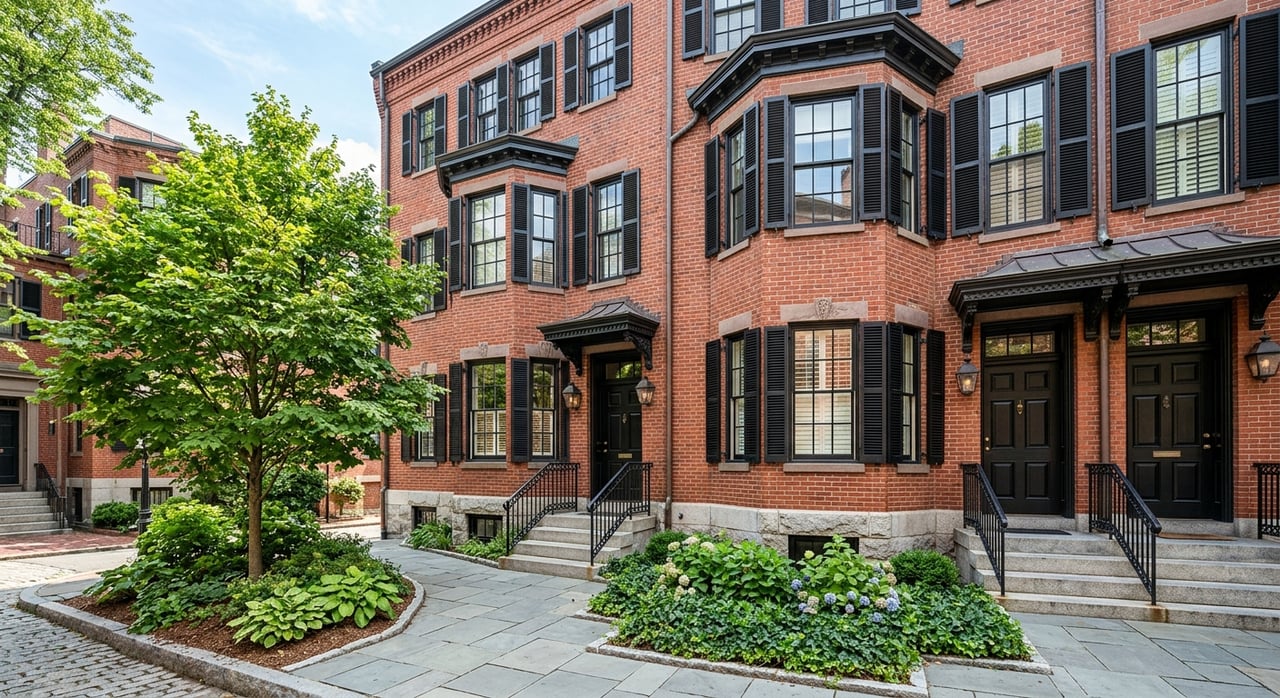
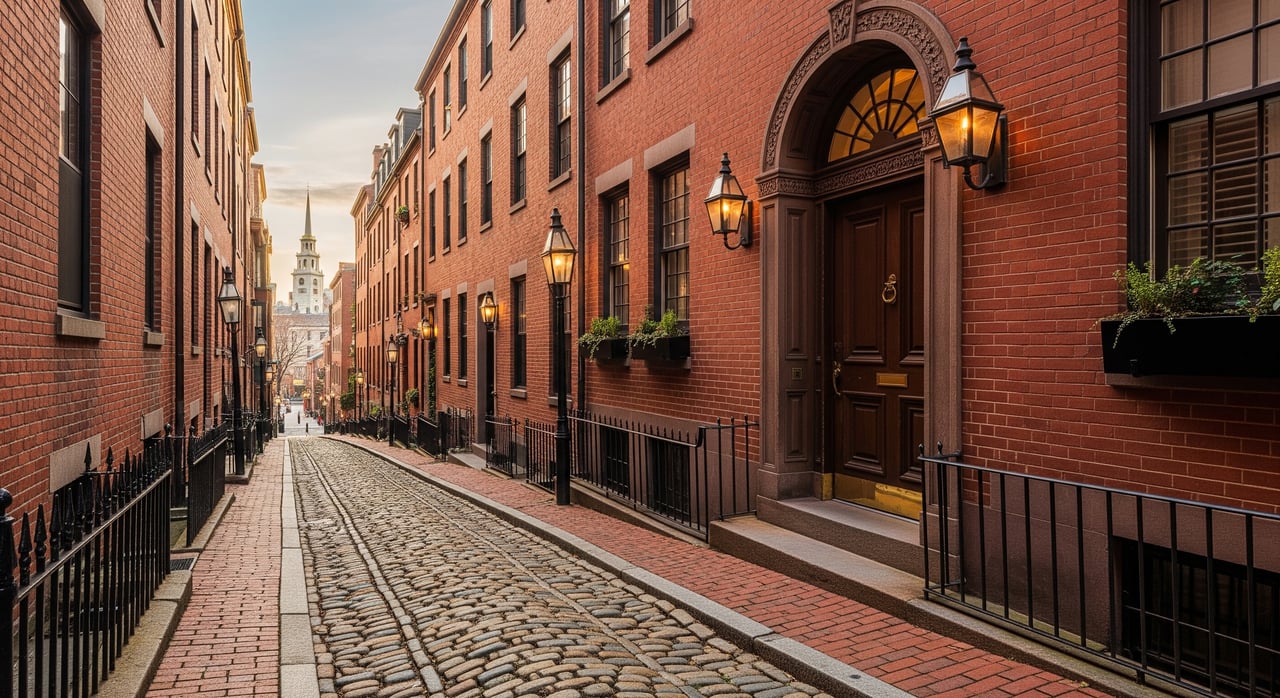
This is a compact, high-density peninsula with narrow, historic streets and masonry buildings from the 18th and 19th centuries. Because land area is small, daily needs cluster close together. Most errands are a short walk, though sidewalks can feel crowded along Hanover Street and near the waterfront during peak months.
Getting around
Walkability and biking
The North End is extremely walkable. You can cover most of your routine on foot, from coffee to parks. Biking works well for short hops and there are Bluebikes stations nearby, but protected bike lanes are limited within the historic core. Expect heavier pedestrian traffic on weekends and during festivals.
Transit and ferries
You are a short walk from several MBTA lines. North Station and Haymarket connect to the Green and Orange Lines, and Government Center connects to the Green and Blue Lines. For broader context, see the official MBTA system maps. Seasonal ferries depart from Long Wharf and nearby Rowes Wharf, which can make harbor trips easy; check MBTA ferry service from Long Wharf for routes and schedules.
Daily amenities
Groceries and services
Grocery options in the neighborhood skew toward small specialty markets and delis. Larger supermarkets are reachable by foot, bike, or a short transit ride into adjacent downtown areas. You will find laundromats, dry cleaners, and childcare options in and around the neighborhood, although space is tight and some residents use services in nearby districts. Access to medical care is excellent given proximity to major hospitals and clinics in central Boston.
Dining and festivals
Dining is a major draw. The restaurant scene is lively, and sidewalks stay active into the evening, especially along Hanover Street. Summer brings well-attended religious feasts and street festivals that temporarily change traffic and noise patterns. If you love a neighborhood with lots of street-level activity, this is a plus.
Parks and waterfront
Christopher Columbus Park and several small green spaces offer places to sit, read, or run with the dog. The Harborwalk provides a waterfront promenade with harbor views and steady foot traffic. Park space here is intimate rather than expansive, with larger greens like the Boston Common and the Esplanade a walk or quick T ride away.
Housing overview
What you will find
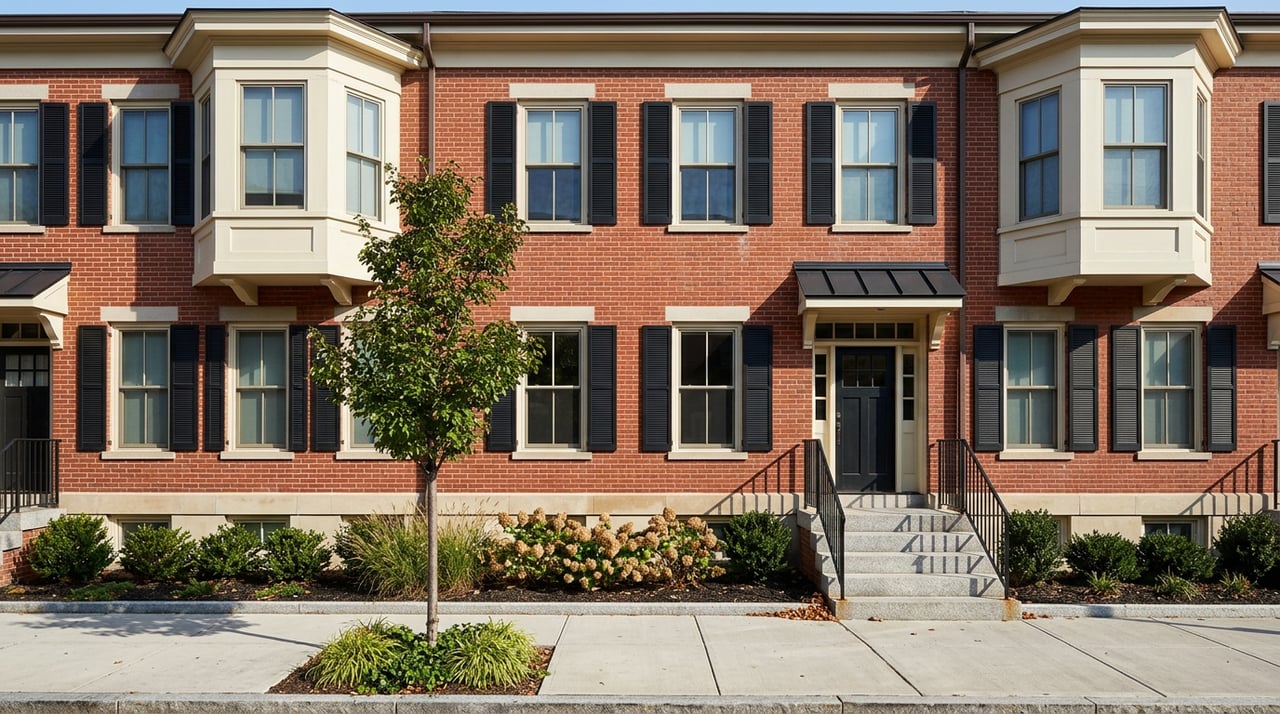
Housing is a mix of historic brick rowhouses, narrow walk-ups, small condo conversions, and low-rise multi-unit buildings. Units tend to be compact. Studios and one-bedrooms are common, and many two-bedrooms have efficient, sometimes irregular floor plans due to historic layouts.
Common trade-offs
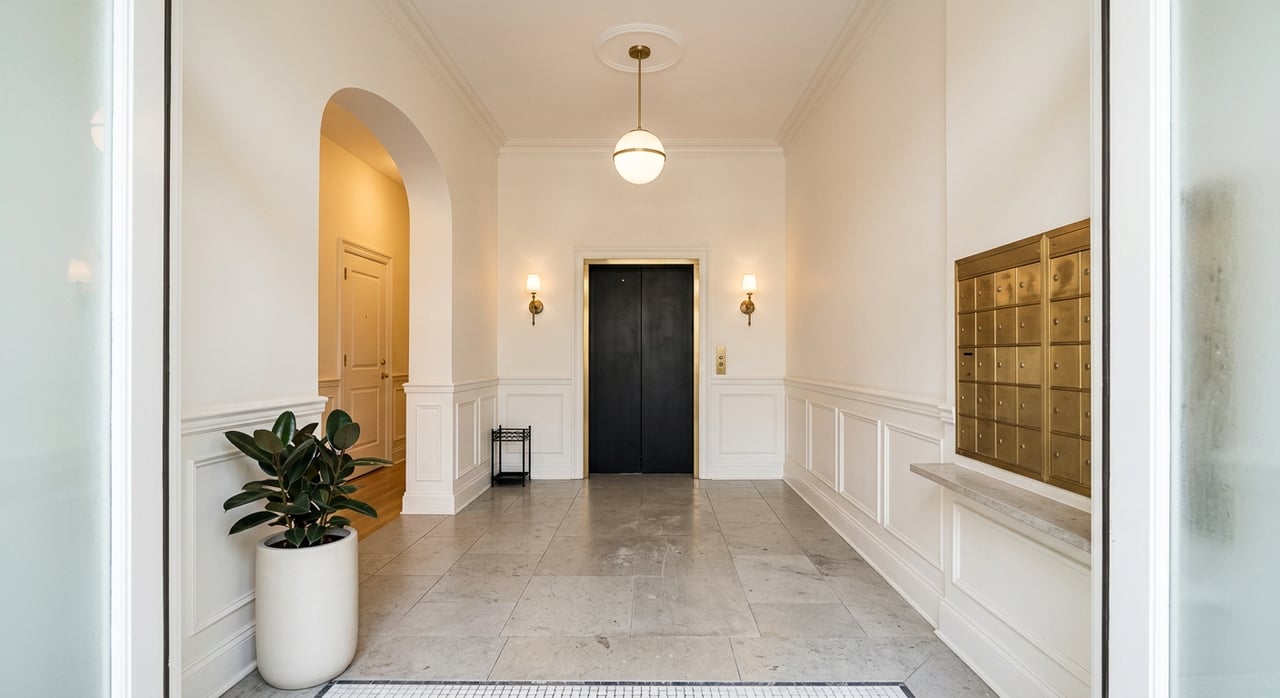
Older buildings can mean smaller kitchens and baths, limited closets, and variable mechanical systems. Elevators and in-unit laundry are not universal. If accessibility is important, focus on buildings with elevator access and ADA-friendly entries. If parking matters, confirm availability early since many buildings do not include it.
Market dynamics
The North End is a high-demand, low-inventory market. Homes and rentals often command higher per-square-foot prices than many other Boston neighborhoods, especially renovated units and those with waterfront views. Market activity can move quickly when new listings appear, and seasonality plays a role. For current pricing and days on market, review up-to-date reports from local MLS sources or major portals before you begin tours.
Practical living tips
Noise and tourism
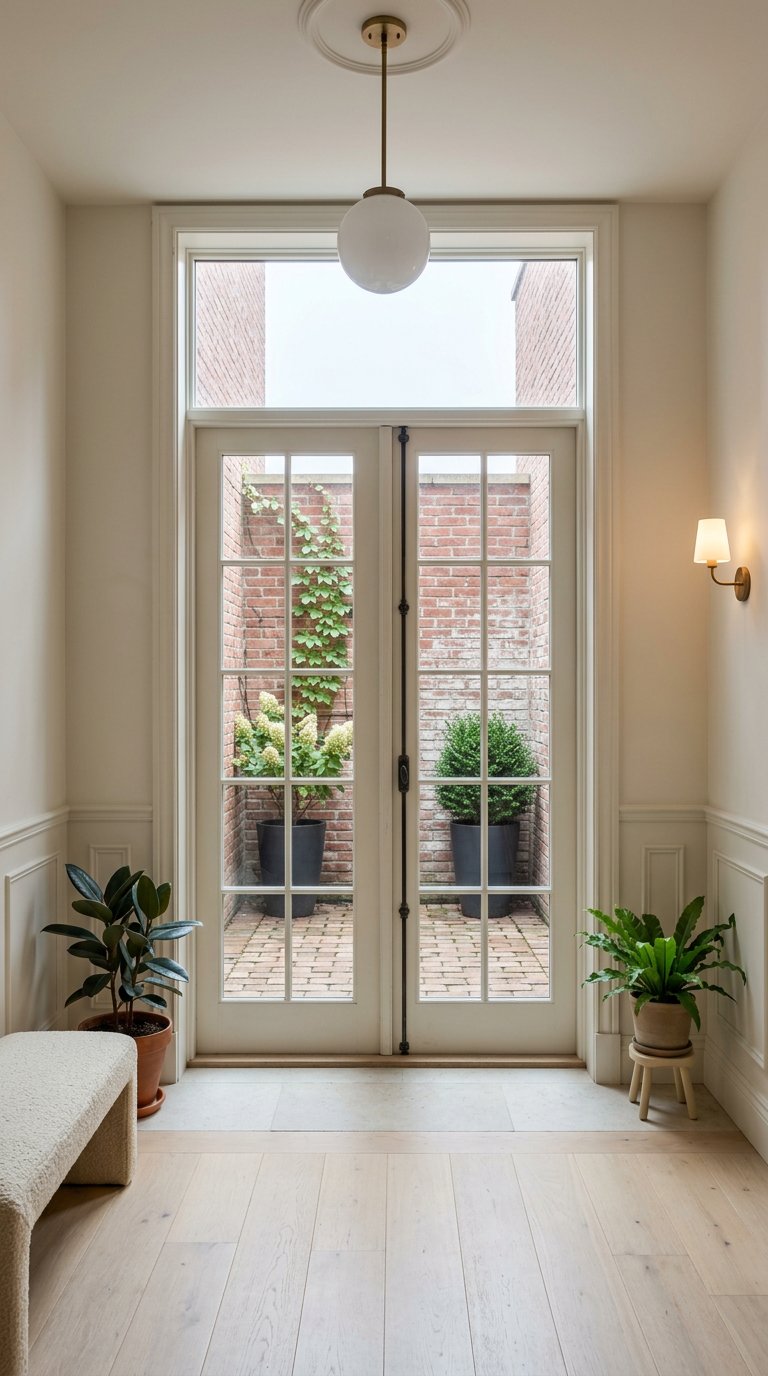
Expect peak foot traffic and restaurant-related noise along Hanover Street and near the waterfront, especially on summer evenings and festival weekends. Interior streets and upper floors are typically quieter. If you prioritize peace, look for interior or courtyard-facing units and ask about typical noise levels during events.
Parking and cars
On-street parking is limited and regulated. Many residents choose not to own a car and rely on walking, transit, and rideshare. If you need a vehicle, plan for a private garage or paid monthly parking. For moving day, reserve space ahead of time using the City’s Boston moving truck permits system and coordinate with your building.
Renovation and permits
Historic-district rules shape what you can change on building exteriors. Interior updates are common, but any exterior work may require approvals. Learn the basics from the Boston Landmarks Commission guidance and the Boston Planning & Development Agency, and budget time for permitting if you plan renovations.
Safety and awareness
The neighborhood sees significant visitor traffic, particularly around festivals and tourist corridors. As with any urban area, stay aware of personal belongings in crowded spots. For current trends and neighborhood-level details, review official Boston Police crime statistics before making decisions and ask building managers about building security practices.
Who the North End fits
- Urban professionals who value walk-to-everything living and quick T access to the Financial District, Seaport, West End, and beyond.
- Households that prioritize dining, waterfront access, and neighborhood festivals, and are comfortable with compact historic homes.
- Buyers and renters who prefer to go car-light and want an efficient commute by foot, bike, or transit.
- Anyone seeking a historic setting with modern conveniences within a small, tight-knit area.
Smart touring checklist
- Verify essentials. Confirm elevator access, in-unit or on-site laundry, storage, and pet policies.
- Ask about noise. Request details on festival routes and typical evening noise levels for the unit’s specific location.
- Confirm parking early. If you need parking, look for listings that include it or research nearby garages and monthly rates.
- Review building systems. Ask about age and condition of HVAC, plumbing, electrical, and windows, especially in older conversions.
- Understand fees and utilities. For condos, review HOA fees, reserves, and any assessments. Ask for typical utility costs for older buildings.
- Check accessibility. If stairs are involved, test the route with bulky items in mind and note hallway width and tight turns.
- Plan your move. Look up City rules for moving permits and loading zones and coordinate with building management in advance.
Community and involvement
If you like to stay informed on neighborhood issues, development, and events, explore the North End/Waterfront Residents’ Association. You can follow agendas and discussions on topics like preservation, zoning, and quality-of-life matters.
Bottom line
Living in the North End means walkable days, lively nights, and easy access to the water and transit. The trade-offs are real, from smaller historic homes to limited parking and seasonal crowds. If the lifestyle fits, you gain a neighborhood where your daily routine can be simple and close to home.
Ready to explore listings or compare options across central Boston? Reach out to the Fedorouk and Guessous Group for neighborhood-savvy guidance and a personalized plan.
FAQs
How walkable is the North End for daily errands?
- It is highly walkable, with groceries, cafés, parks, and multiple MBTA stations a short distance away, though sidewalks can be crowded on Hanover Street and near the waterfront.
What is commuting like from the North End?
- Many residents walk, bike, or take the MBTA via nearby Green, Orange, and Blue Line stations; ferries from Long Wharf add seasonal options for select routes.
Are North End homes typically large or small?
- Most units are on the smaller side, often studios and one-bedrooms with efficient or irregular layouts due to historic buildings and conversions.
How noisy is it during peak seasons?
- Expect busier sidewalks and more evening activity near restaurants and festival routes in summer; interior streets and upper floors are usually quieter.
Is on-street parking practical for residents?
- Parking is limited and regulated, and many buildings lack garages, so many residents go car-light or budget for private monthly parking nearby.
What should I know about renovating a historic unit?
- Interior updates are common, but exterior changes may require approvals; consult the Boston Landmarks Commission and BPDA before planning work.
Where can I find reliable safety data for the area?
- Review official Boston Police crime statistics for current trends and ask building managers about property-level security measures.