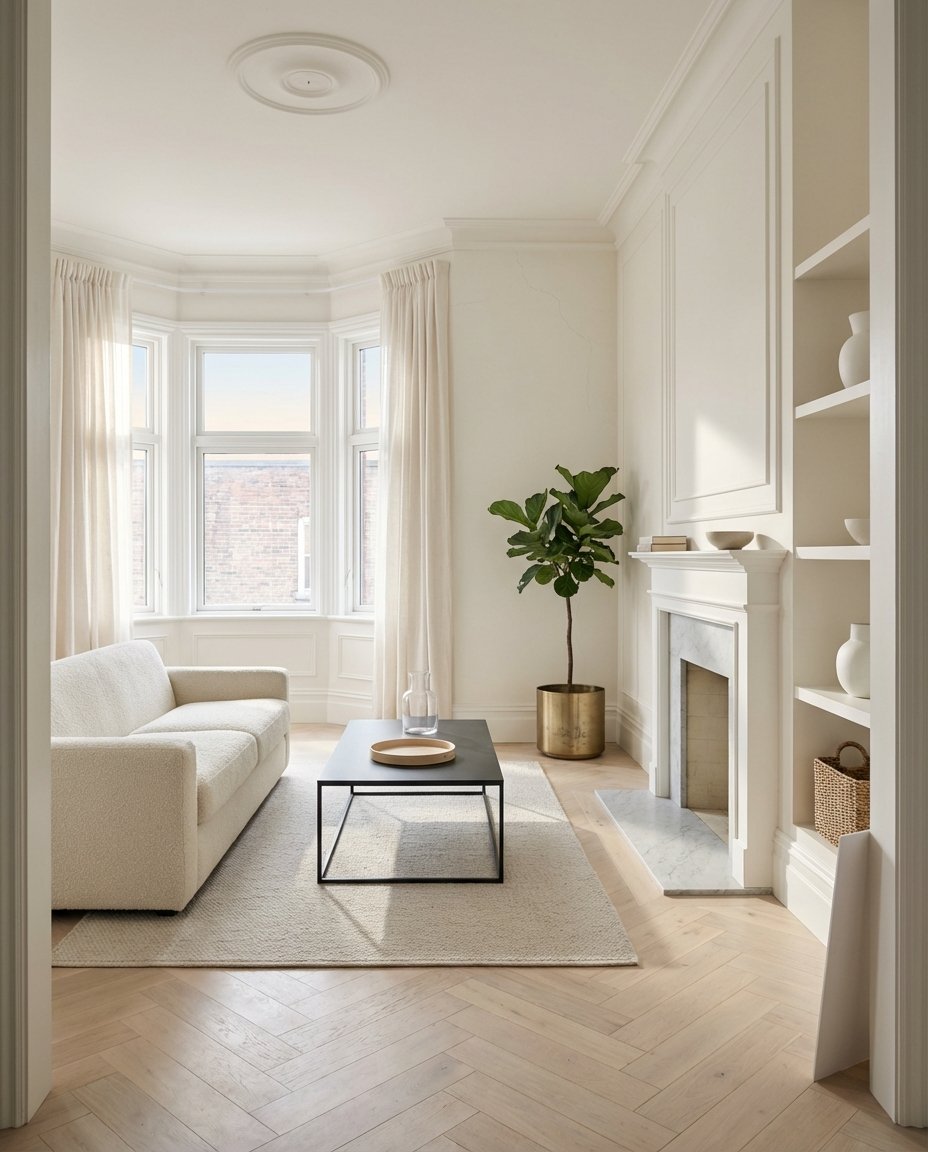
Thinking about selling your Back Bay condo and wondering where to start? You are not alone. Buyers here expect charm and convenience, but they also scrutinize details and paperwork. In this guide, you will learn exactly how to prepare your unit for top-dollar results, from legal must-dos to high‑ROI updates and a simple 12‑week plan. Let’s dive in.
What Back Bay buyers look for
Back Bay buyers value lifestyle first, then finish and function. When you know what they prioritize, you can prep with purpose.
- Walkability and transit access. Proximity to Newbury Street, Copley Square, and the Esplanade matters. Easy access to the Back Bay Station is a major plus for commuters and relocation buyers. See details on the station at the Back Bay page on Mass by Train.
- Turn‑key condition. Classic details are loved, but buyers also expect updated kitchens and baths, reliable cooling, and tidy systems. In‑unit laundry or easy building access is a common request in higher price bands.
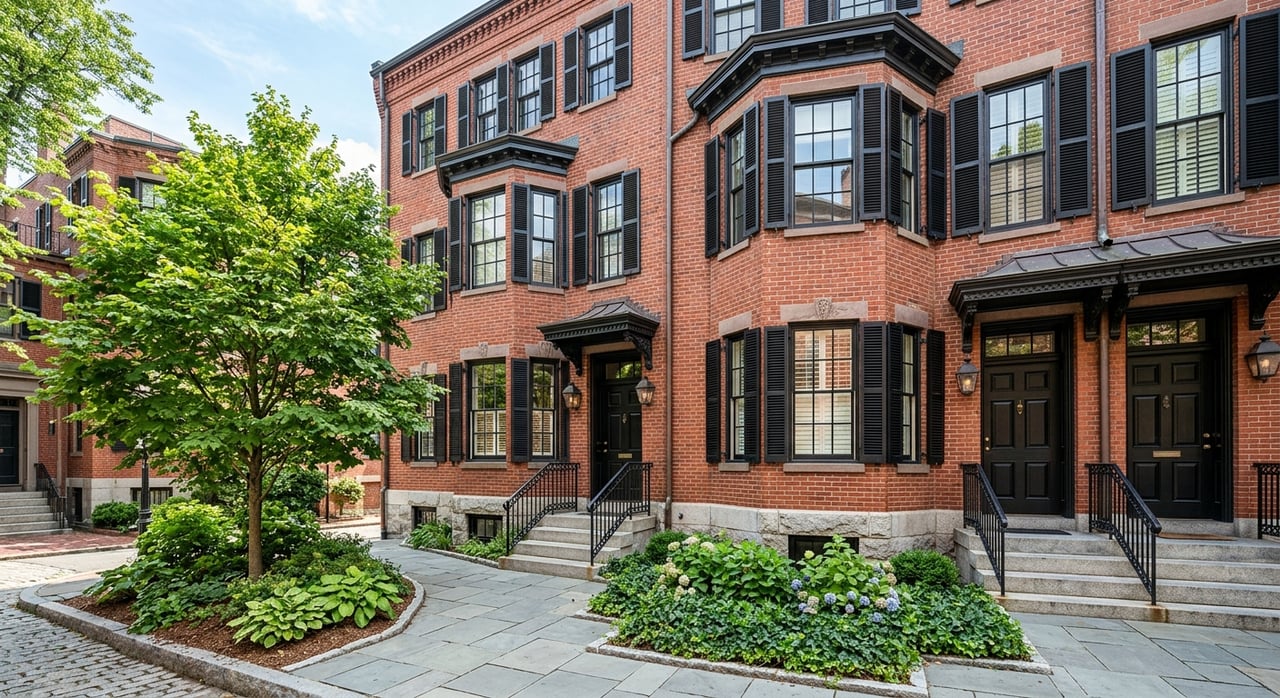
- Clear tradeoffs. Brownstone condos offer character and may have tighter storage or no parking. Amenity towers offer services and convenience. Your prep and marketing should highlight where your home shines most.
Tackle the must‑dos early
These items keep your sale on track. Handle them first so you are never waiting on paperwork when the right buyer appears.
Smoke and carbon monoxide certificate
Massachusetts requires a smoke and CO inspection for every sale. The local fire department issues a certificate used at closing. Schedule the inspection early and plan for any detector updates the inspector requires. You can review the statewide rule in M.G.L. c.148 §26F. Municipal examples, like Brookline’s guidance, show typical steps and timing.
6(d) resale certificate from your condo association
Massachusetts condominium law requires a 6(d) certificate that confirms common fees are current. Lenders will expect it before closing, and associations may need days or weeks to process. The requirement lives in Chapter 183A. For practical details on timing, authorization, and recording, this overview of 6(d) certificates is helpful.
Association documents buyers and lenders will request
Collect the current budget, financials, any reserve study, recent meeting minutes, and insurance summary. Buyers and lenders review these for reserves, special assessments, and any litigation. Having a clean, complete packet ready builds confidence and speeds up due diligence.
Respect historic rules and permits
Back Bay’s architecture is a point of pride. If you are considering any visible exterior change before listing, check the rules first.
Back Bay Architectural District review
The Back Bay Architectural District Commission must review and approve visible exterior changes like windows, masonry work, or rooftop elements. Interior work is generally outside their scope, but anything visible from the street needs a formal application and approval. Read the process and what needs review on the Back Bay Architectural District page.
When to pull a building permit
Cosmetic updates like paint, most hardware swaps, and light fixture replacements typically do not require a permit. Structural changes or moving plumbing, electrical, gas, or HVAC systems do. Plan for permit review and licensed trades. See a Massachusetts overview of permitting thresholds at PermitFlow.
High‑impact prep inside your condo
Focus on the updates that improve first impressions, photos, and buyer confidence.
Deep clean and declutter
Start here. Pack away 30 to 50 percent of your items, clear counters, and remove heavy drapes that block light. National research shows cleaning, decluttering, and staging are among the most common and effective pre‑sale steps. See the National Association of REALTORS® findings on staging and buyer impact in this report.
Fix small defects and safety items
Repair leaks, loose hardware, sticky windows, and non‑working lights. Replace missing outlet covers and address visible wear that can raise inspection flags. These items are usually inexpensive and prevent larger concessions later.
Light and sightlines
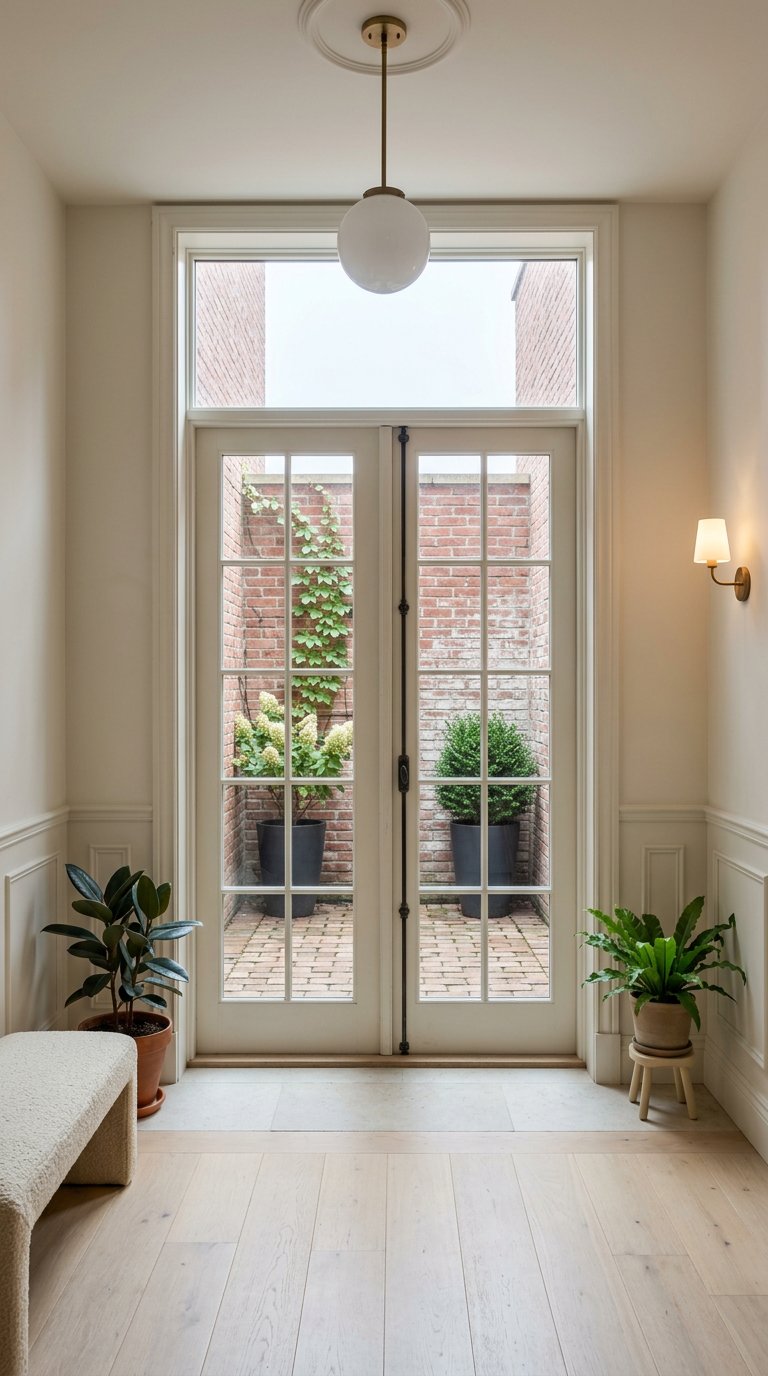
Maximize daylight by removing or thinning heavy curtains. Use warm‑neutral bulbs and layered lighting for evening showings. Better lighting improves both in‑person feel and listing photos, which drive early online engagement. The NAR staging research above underscores how much visuals influence buyers.
Strategic staging
Prioritize the living room and the primary bedroom. Staging can reduce time on market and can support stronger offers, according to NAR’s 2025 Profile of Home Staging. The median spend for professional staging on occupied homes is about $1,500. If your budget is tight, stage the highest impact rooms first and consider light-touch styling elsewhere. Review the NAR data in the staging report.
Professional photos and a 3D tour
Back Bay listings compete online first. High-quality photos and a 3D or video tour help buyers pre‑qualify your home and boost showing requests. NAR’s research highlights the influence of strong visuals on buyer engagement.
Updates with strong ROI
Not every project pays off before a sale. In Back Bay’s condo market, targeted refreshes usually beat full gut renovations on both cost and timing.
Minor kitchen refresh
Consider repainting cabinet fronts, swapping hardware, adding an updated backsplash, and replacing an older faucet. If counters are dated, an affordable replacement can modernize photos. National Cost vs. Value data shows that a midrange minor kitchen remodel tends to recoup a higher share of its cost than full gut projects. Explore the 2024 figures in the Cost vs. Value report.
Bathroom tidy‑up
Regrout tile, refresh caulk, brighten lighting, and update mirrors or hardware. Midrange bathroom updates also show solid cost recoup rates in the Cost vs. Value report.
Paint and floors
Fresh neutral paint and clean or refinished hardwoods deliver outsized impact. Full floor replacement has mixed returns, so focus on spot repairs and refinishing unless floors are in poor condition.
Style tips for brownstones and towers
- Highlight original details. In brownstones, stage to showcase moldings, bay windows, fireplaces, and tall ceilings. Avoid oversized furniture that hides trim or blocks windows.
- Solve for storage. Back Bay condos often have limited storage. Use closet systems and simple organizers so buyers can see functional space. Call out any deeded storage locker or parking in your marketing.
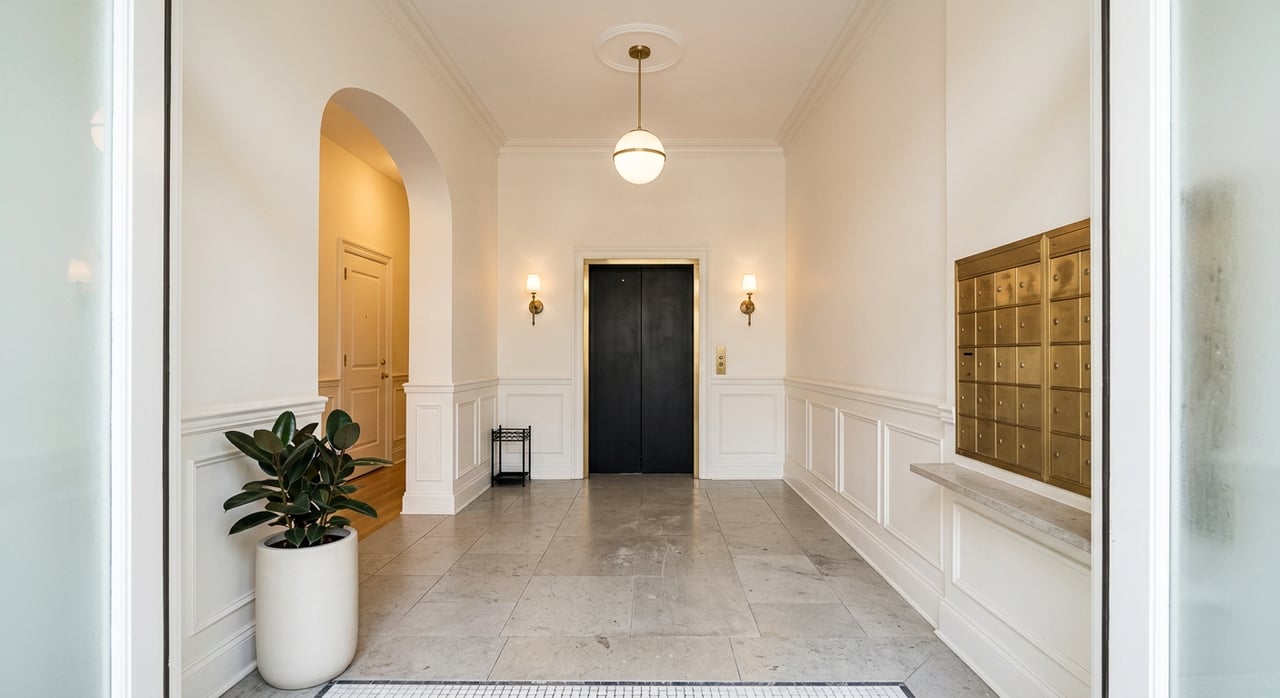
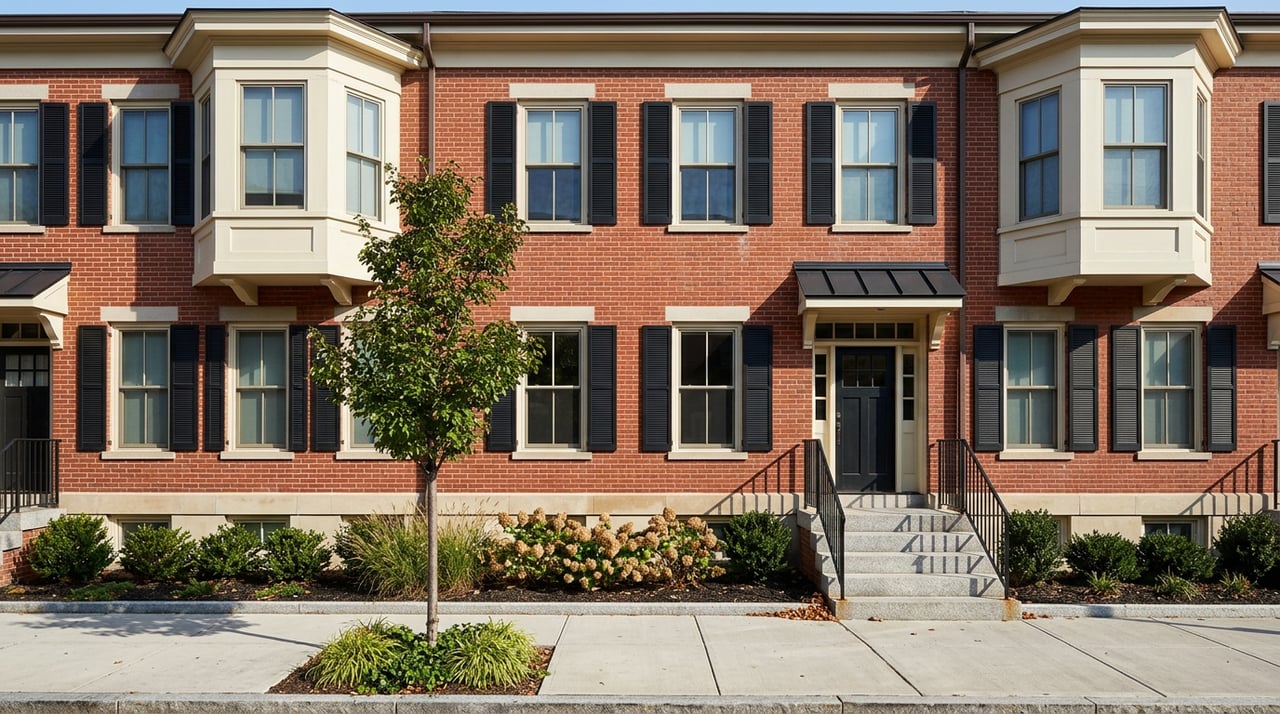
- Market the building experience. Include entrance, lobby, elevator, and amenity photos along with your interior shots. Urban buyers search for both unit and building context, and visuals drive interest, as NAR’s research notes.
Your 12‑week game plan
This timeline keeps you organized and market‑ready. Adjust for contractor schedules and any historic or permit reviews.
Weeks 0 to 2: Quick wins and safety checks
- Order the smoke and CO inspection with your local fire department. Review the statewide requirement in M.G.L. c.148 §26F.
- Deep clean, declutter, and donate or store extra items. Aim for clear counters and open sightlines. The NAR staging report supports the impact of these steps.
- Address obvious repairs and any detector or electrical items. Schedule licensed trades if work needs permits. See a Massachusetts overview at PermitFlow.
Weeks 2 to 4: Staging and media prep
- Book a stager and set your photography date for just after staging is complete. Expect a median staging spend around $1,500 for occupied homes per the NAR report.
- Assemble your association packet: budget, financials, recent minutes, reserve study if available, master insurance summary.
- If you plan any exterior work visible from the street, confirm whether BBAC review applies. Find the process on the Back Bay Architectural District page.
Weeks 4 to 8: Targeted improvements
- Execute a minor kitchen refresh or bathroom tidy‑up. Reference the Cost vs. Value benchmarks to right‑size your scope.
- Refinish worn wood floors or complete spot repairs. Repaint in a light, neutral palette.
- Add simple storage solutions and lighting accents that support the stager’s plan.
Weeks 8 to 12: Finalize and list
- Complete professional photography, including exterior, lobby, and any amenities, plus a 3D or video tour.
- Publish your listing with clear disclosure on parking, storage, and any known or planned association projects.
- Once under agreement, authorize and order the 6(d) resale certificate promptly. Review Chapter 183A for the statutory framework and confirm your building’s processing times. For practical execution details, see this 6(d) overview.
Pitfalls to avoid
- Waiting too long to schedule the smoke and CO inspection.
- Starting any visible exterior work before BBAC review when required. Read the BBAC process.
- Delaying association paperwork or the 6(d) request until late in escrow.
Showing day checklist
Use this quick list to keep stress low and your condo photo‑ready.
- Open blinds and turn on all lights. Remove heavy drapes if they block daylight.
- Hide personal items and valuables. Secure small electronics and medications.
- Clear kitchen and bath surfaces. Add fresh towels and a simple green plant.
- Tuck away pet items. Plan for pets to be out during showings.
- Leave a one‑page sheet with building highlights, recent updates, parking or storage details, and monthly fees. Include a note about laundry access and any recent capital projects.
Ready to position your Back Bay condo for a smooth, high‑confidence sale? We can help you prioritize updates, coordinate staging and media, and package your association materials so buyers feel ready to move forward. Get a pricing strategy and next steps with a free valuation from the Fedorouk and Guessous Group.
FAQs
In Back Bay, should I remove historic trim to appeal to buyers?
- No. Buyers often value original details. Neutral staging that showcases moldings, bay windows, and fireplaces usually performs best.
Will a full kitchen gut pay off before I sell my Back Bay condo?
- Often no. National data shows minor kitchen remodels tend to recoup a higher percentage than full gut projects. See the Cost vs. Value report.
What condo association issues most often delay closings in Boston?
- Late or missing 6(d) certificates, surprise special assessments, low reserves, and unresolved litigation can stall financing. Order the 6(d) early and share recent financials and minutes upfront.
Do I need a professional stager for a Back Bay listing?
- It depends on condition and price point, but NAR research shows staging often cuts time on market and can support stronger offers. See the NAR staging report.