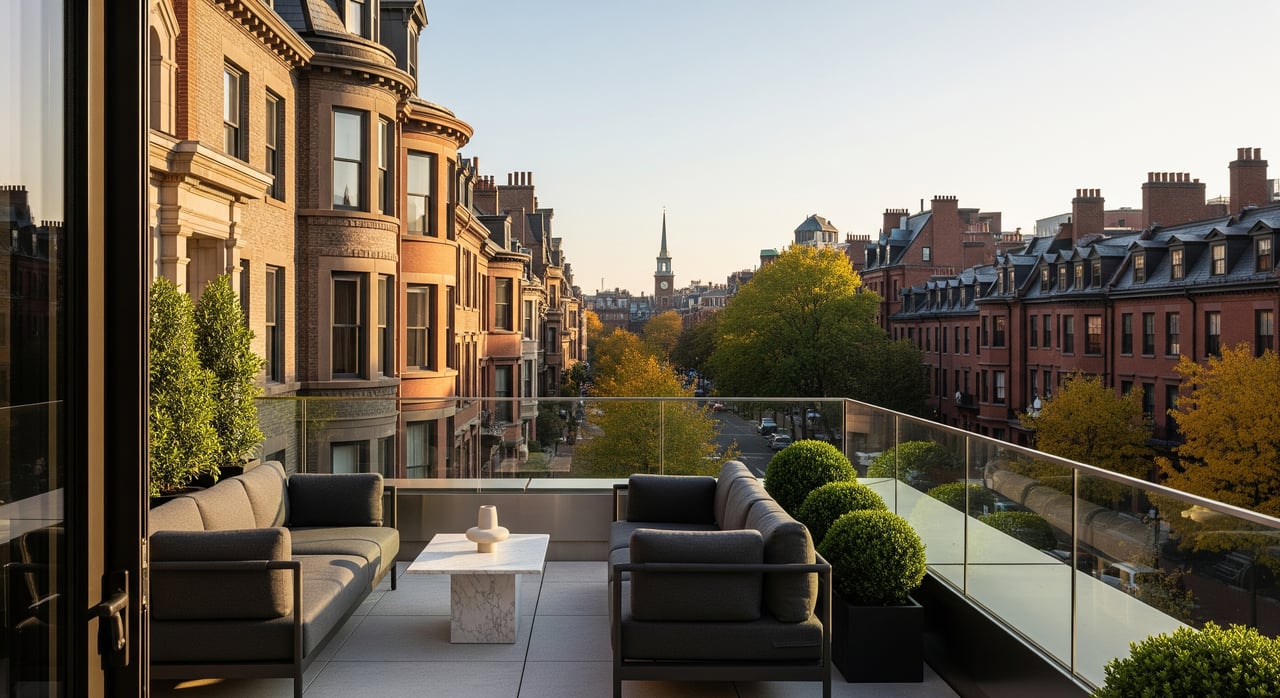
Trying to choose between Back Bay and Beacon Hill for your condo search? You are not alone. Both neighborhoods deliver iconic Boston living, but they offer very different day-to-day experiences. In this guide, you will learn how they compare on buildings and layouts, price and HOA fees, transit and parking, historic rules, and lifestyle factors, plus a practical touring checklist to use right away. Let’s dive in.
Neighborhood vibe at a glance
Back Bay snapshot
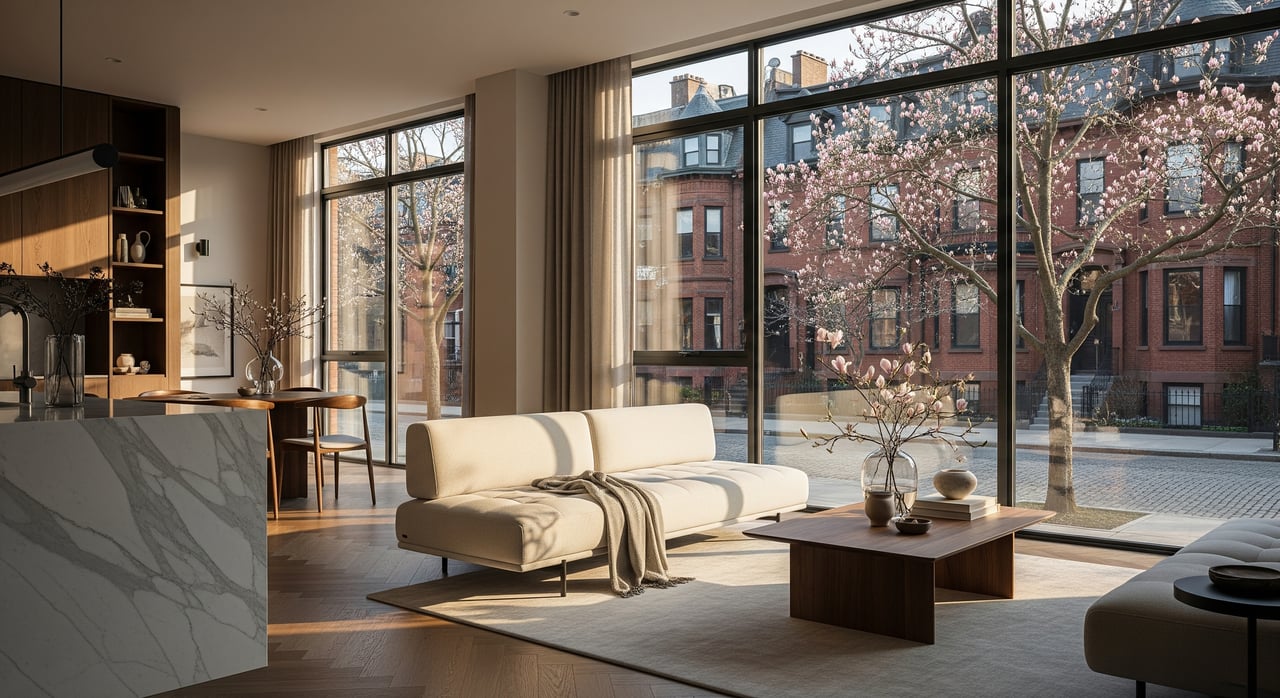
Back Bay feels like high-style urban living with wide, tree-lined avenues and a mix of classic brownstones and newer luxury towers. You get Newbury and Boylston Street retail, dining, gyms, and cultural venues close by. There is stronger access to rail and highway connections, and more buildings with modern services.
Beacon Hill snapshot
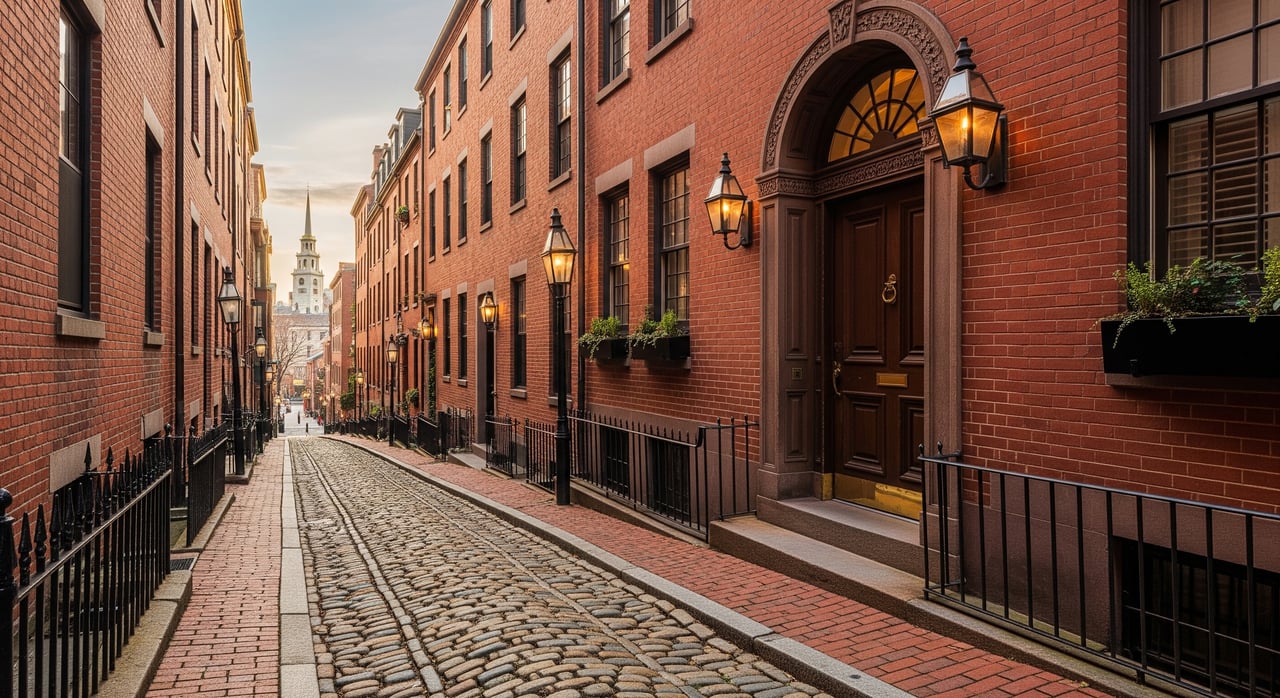
Beacon Hill offers historic charm with Federal and Georgian brick townhouses and intimate, gas-lit streets. It is more residential and quieter, with boutique shops and cafés centered on Charles Street. You will find fewer large buildings and a stronger emphasis on unique, boutique homes.
Buildings and floor plans
Back Bay options
- Mix of brownstone conversions, mid-rise buildings, and luxury high-rise towers near the Prudential and Back Bay Station corridors.
- Layouts range from compact studios and one-bedrooms to large luxury flats and penthouses.
- Newer towers often feature open plans and larger windows, while vintage conversions lean toward segmented rooms and period details.
Beacon Hill options
- Primarily townhouses and low-rise historic rowhouses, often converted into small condo associations or co-ops.
- Average unit sizes skew smaller, with many one-bed and one-bath homes and some multi-level townhouse-style units.
- Floor plans can be idiosyncratic, with narrow hallways and smaller kitchens due to the historic footprints.
Elevator or walk-up
- Beacon Hill has a high share of walk-ups and multi-story townhouse units. If stairs are a concern, confirm floor level and access before touring.
- Back Bay offers more elevator buildings, especially in towers and larger conversions. Brownstones here can still be walk-ups, so check building details.
- If you want amenities like concierge, fitness centers, and package handling, you will likely focus on Back Bay elevator buildings.
What your budget buys
Actual pricing varies by building class, size, and location within each neighborhood, but you can use these general ranges as a guide in the mid-2024 context:
- Entry-level studios and compact one-bedrooms often run from the high end of entry-level Boston prices into the mid six-figures and can reach low seven-figures in premium spots. Beacon Hill can skew pricier per square foot for smaller units due to scarcity and charm.
- Typical one- to two-bedroom condos commonly span from mid to high six-figures into the low or mid seven-figures depending on finishes, amenities, and outlook.
- Larger two- to three-plus-bedroom homes, luxury flats, and penthouses sit in the multi-million-dollar bracket, especially in Back Bay towers and premier Beacon Hill townhouses.
If you plan to compare exact properties, recent sold comps and current inventory will tell the full story building by building. Use those to fine-tune expectations as you shortlist.
HOA fees and what they include
Monthly fees depend on building size, staffing, utilities included, and reserve health.
- Smaller historic buildings with limited services often land in the low to mid hundreds per month.
- Mid-range elevator buildings with some services are typically in the mid hundreds to low thousands per month.
- Full-service luxury towers with doorman, concierge, and amenities often start around four figures per month and can exceed two to three thousand per month for larger residences.
Inclusions often cover master insurance, common area maintenance, landscaping, snow removal, trash, and sometimes water, sewer, or heat if the building uses a common boiler. Older buildings may levy special assessments for major exterior work, so pay close attention to reserves and recent capital projects when you review condo documents.
Ownership type and financing
- Beacon Hill has more small associations and a higher incidence of co-ops alongside condos. Back Bay has many condominium associations, including larger new-construction communities.
- Co-ops can require board approval, stricter subletting rules, and sometimes higher down payments. Buyers purchase shares rather than a deeded unit.
- Condos are deeded, often with easier financing, though lenders still review association reserves, owner-occupancy levels, litigation, and other underwriting factors.
- Small associations or those with low reserves can face stricter lending criteria. If timeline matters, confirm project approval requirements early.
Transit and commute
- Back Bay offers strong rail access via Back Bay Station for commuter rail and the Orange Line, plus Green Line stops like Copley and Arlington and good highway links.
- Beacon Hill delivers excellent walkability to downtown and quick access to Park Street and Government Center for the Green and Red Lines, with nearby connections to commuter rail.
- Both neighborhoods score very high for walkability and transit, so your decision often comes down to which lines you use most and how frequently you need to drive.
Parking reality
- On-street parking is limited in both neighborhoods, and many condos do not include spaces.
- Back Bay has more buildings with deeded or leased garage options and proximity to paid garages, particularly near the Prudential and Back Bay Station area.
- Beacon Hill offers far fewer off-street options, and garage spaces can be rare and expensive. If you must have parking, shortlist Back Bay buildings known for garage access.
Historic rules and renovations
Both Back Bay and Beacon Hill include historic districts where exterior changes require review and approval. That can affect windows, masonry, cornices, rooftop additions, and HVAC condenser placement. Interior renovations are generally more flexible, but structural changes in historic buildings still require permits and may trigger preservation input. If you plan to remodel, build extra time and budget into your plan.
Noise and activity level
- Back Bay’s Newbury and Boylston corridors drive more daytime and evening activity and related street noise.
- Beacon Hill’s streets are quieter and more residential, with nightlife options a short walk away rather than on your doorstep.
- If you want vibrant energy outside your door, Back Bay usually fits. If you prefer a calmer streetscape, Beacon Hill often wins.
Pets, rentals, and building rules
Pet policies and rental rules vary by association. Beacon Hill co-ops can be stricter on pets and subletting. Short-term rental rules also depend on association bylaws. Always review the latest condo or co-op documents before you fall in love with a unit.
How to shortlist with confidence
Use these quick filters to build a smart tour list:
- If you want modern amenities, elevator access, and concierge:
- Prioritize Back Bay towers and larger elevator buildings.
- If you want historic charm and a townhouse feel on quieter streets:
- Focus on Beacon Hill conversions and well-run small associations near Charles, Mount Vernon, and Beacon streets.
- If lower HOA fees matter and stairs are acceptable:
- Consider brownstones on Back Bay side streets and small Beacon Hill associations, but verify reserves and recent assessments.
- If you need a garage space:
- Start with Back Bay buildings near the Prudential and Back Bay Station corridor that include or offer garage parking.
- If mobility or accessibility is a priority:
- Shortlist elevator buildings in Back Bay. Avoid upper-floor walk-ups common in Beacon Hill.
Touring and due diligence checklist
Bring this list to each showing or open house:
- Building and ownership
- Condo or co-op, and any board approval requirements
- Subletting rules and minimum down payment if co-op
- Unit specifics
- Floor level, elevator or stairs, ceiling height, and natural light orientation
- Original details vs recent renovations and system updates
- HOA fees and financials
- Monthly fee and what it includes, including heat and hot water if applicable
- Reserve fund balance, recent special assessments, and planned capital projects
- Building operations
- On-site staff, doorman or concierge, package handling, trash, laundry, bike storage
- Maintenance and capital needs
- Recent roof, facade, boiler, or elevator work and the timing of future projects
- Parking and storage
- Deeded, leased, or rental parking options nearby and storage locker availability
- Historic and permitting
- Landmark or historic district status and known exterior restrictions
- Financing and insurability
- Owner-occupancy percentage, litigation status, and any lender project flags
- Pets and rentals
- Pet policies, weight or breed limits, and short-term rental rules
- Commute and transit
- Distance to preferred T lines and commuter rail
- Comparable sales
- Recent comps within the building or nearby to validate pricing
Back Bay vs. Beacon Hill: the bottom line
Choose Back Bay if you want a broader mix of building types, more elevator and amenity-rich options, and easier access to garages and retail corridors. Choose Beacon Hill if you value historic architecture, quieter streets, and a boutique, townhouse-like experience. In both neighborhoods, the right fit comes down to your comfort with stairs, monthly fees, parking needs, and appetite for historic rules.
If you want a tailored shortlist or a second set of eyes on condo docs, reach out to the Fedorouk and Guessous Group. You will get hyperlocal guidance, responsive service, and a clear path from shortlisting to closing.
FAQs
How do Back Bay and Beacon Hill condo prices compare in 2024?
- Entry-level and one-bed units often range from the high end of entry-level Boston pricing into mid six-figures, reaching low seven-figures in premium spots, while larger two- to three-plus-bedroom homes and penthouses can be multi-million-dollar in both neighborhoods.
Are most Beacon Hill condos walk-up buildings?
- Yes, many Beacon Hill homes are in walk-up townhouses or small buildings, so verify elevator access and floor level early if stairs are a concern.
Where is parking easier to secure, Back Bay or Beacon Hill?
- Back Bay generally offers more buildings with deeded or leased garage options and proximity to paid garages, while Beacon Hill has fewer off-street choices and higher costs for spaces.
What do typical HOA fees include in these neighborhoods?
- Fees often cover master insurance, common area maintenance, landscaping, snow removal, and trash, with some buildings including water, sewer, or heat; always confirm inclusions and reserve health.
How do co-ops differ from condos in Beacon Hill and Back Bay?
- Co-ops may require board approval, stricter subletting rules, and higher down payments, while condos provide deeded ownership and generally easier financing, subject to lender review of association financials and policies.