Trying to decide whether to sell your North End condo or hold it as a rental? You are not alone. Many owners are weighing today’s premium sale prices against the appeal of steady rental demand in one of Boston’s most walkable neighborhoods. The right move depends on your finances, timing, and long-term goals, and this guide will help you think through each side with a North End-specific lens. Let’s dive in.
Why This Question Matters in the North End
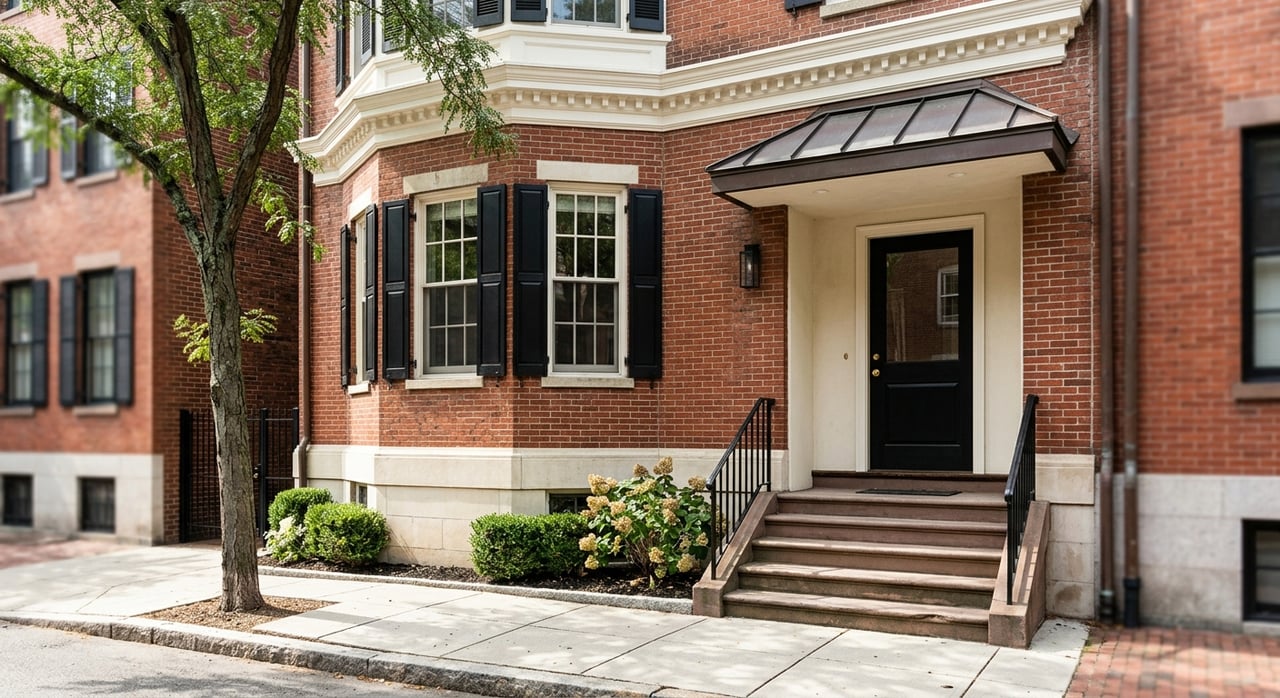
The North End is not just any Boston neighborhood. According to the Boston Planning & Development Agency neighborhood overview, it is Boston’s oldest residential community, located along the city’s northeast harbor edge and known for historic brick buildings, narrow streets, and strong visitor activity.
That setting supports a lifestyle many buyers and renters want. The neighborhood also has a Walk Score of 99 in Boston’s public health community assets report, which helps explain why car-light living remains a major draw here.
For owners, the local housing mix is also important. The BPDA’s 2017-2021 ACS profile for the North End shows 6,709 housing units, with 24.8% owner-occupied and 75.2% renter-occupied. That renter-heavy makeup suggests the neighborhood already supports a strong long-term rental culture.
What the North End Sale Market Says
If you are thinking about selling, the current market gives you both opportunity and a reason to be realistic. Realtor.com’s North End market snapshot reported a median listing price of $1.399 million in February 2026, with 57 homes for sale, 46 median days on market, and a 97% sale-to-list ratio.
That tells you North End condos still command significant value, but buyers may be more price sensitive than they are in a faster market. In other words, you may still sell well, but you should not assume your condo will move instantly just because of the address.
Price per square foot also reinforces the neighborhood’s strength. A Boston.com recap of Warren Residential’s 2024 condo report placed the North End at $1,034 per square foot, up 4.7% year over year.
That kind of pricing shows the North End remains a premium condo market. Even when market speed slows, values can still hold up well, especially in a compact historic neighborhood with limited room for new supply.
When selling may make sense
Selling may be the better option if your main goal is liquidity. If you want to unlock equity, simplify your finances, or move your capital into another property or investment, today’s pricing may support that decision.
It can also make sense if your monthly carrying costs are high. Condo fees, taxes, insurance, and maintenance can eat into your return quickly, especially if your unit would only produce a modest rental margin.
A sale may also be worth considering if you no longer want the responsibility that comes with being a landlord. Even in a strong rental neighborhood, ownership comes with ongoing management, turnover risk, and repair costs.
What the North End Rental Market Says
If you are considering holding the condo, rental demand is part of the story. Realtor.com’s North End overview reported a median rent of $3,600 per month in February 2026, up 4.5% year over year.
A second data point tells a similar story. Redfin’s Boston neighborhood table, cited in the research, showed North End median rent at $3,425 in September 2025. The exact number may vary by source, but both figures place the market in the mid-$3,000s.
That demand is not hard to understand. The North End’s renter-heavy housing mix, dense layout, and exceptional walkability support interest from tenants who want easy access to downtown and a neighborhood where daily errands can often be done on foot.
The gross yield reality
Before deciding to rent, you need to look past the headline rent number. Using Realtor.com’s median rent and median listing price, the rough gross yield is about 3.1% before condo fees, taxes, insurance, vacancy, repairs, and management.
That matters because gross yield is only a starting point. Once you subtract your real ownership costs, your net return may look very different.
For many North End owners, this becomes a simple but important question: will the rent truly cover your expenses with enough cushion to make the hold worthwhile? If the answer is no, renting may preserve the asset but still strain your monthly cash flow.
Sell or Rent: The Questions to Ask
The best choice usually comes down to a few core questions.
What is your time horizon?
If you may need access to your equity soon, selling could be the cleaner move. A rental strategy often works better when you are comfortable holding for several years and can absorb normal ownership ups and downs.
How strong is your monthly cash flow?
Estimate your realistic rent, then subtract condo fees, property taxes, insurance, routine maintenance, and a vacancy allowance. If the number left over is slim or negative, renting may not be the best fit unless your goal is long-term appreciation rather than immediate income.
Do you want landlord responsibility?
Owning a rental can create flexibility, but it also creates work. Leasing, renewals, maintenance coordination, and turnover planning all require time and attention.
For some owners, that is manageable. For others, the simplicity of selling is worth more than the possibility of future upside.
Are taxes part of the equation?
Taxes can materially change your outcome, especially if the condo has been your primary residence. This is one area where a CPA or tax attorney can be very helpful before you make a final call.
Tax Considerations to Review Before Deciding
If you are eligible to sell under favorable tax treatment, that can strengthen the case for listing now. According to IRS Publication 523, you generally need to have owned and used the home as your principal residence for 2 of the last 5 years to qualify for the federal home-sale exclusion, which can shelter up to $250,000 of gain for many single filers or $500,000 for many joint filers.
Massachusetts has its own rules as well. The state’s personal income tax guidance notes that capital gains are taxed as part of personal income at 5.0% for tax year 2025, and the state also recognizes a principal-residence exclusion up to $250,000 or $500,000 when use requirements are met.
If you rent the condo first, the tax picture changes. IRS Publication 527 explains that rental income and expenses, including depreciation, are reported on your tax return, and Massachusetts requires rental real estate income and loss to be reported on Schedule E-1.
There is another long-term issue to keep in mind. If a former primary residence becomes a rental, future sale treatment can be affected by depreciation recapture, as outlined in IRS Publication 523. In practical terms, renting can create flexibility now while increasing future tax complexity.
A Simple North End Decision Framework
If you are stuck between the two options, use this practical framework.
Selling may be a better fit if:
- You want to unlock equity now
- You prefer a clean exit over landlord duties
- Your condo would produce thin or negative monthly cash flow as a rental
- You may qualify for principal-residence tax benefits
Renting may be a better fit if:
- You want to hold the property for the long term
- Your expected rent can cover expenses with room to spare
- You want continued exposure to the North End market
- You are comfortable with the operational side of owning a rental
The Most Useful Next Step
Instead of making this decision based on headline sale price or rent alone, compare both paths side by side. The most useful analysis includes a neighborhood-specific valuation based on recent comparable sales, a realistic rent estimate for similar North End condos, and a net sheet that accounts for HOA dues, taxes, insurance, vacancy, maintenance, and management.
That kind of apples-to-apples review usually makes the answer much clearer. One option may stand out once the numbers are organized around your actual unit, not just neighborhood averages.
If you want help thinking through the numbers for your condo, the Fedorouk and Guessous Group offers personalized, high-touch guidance backed by local Boston market expertise. Whether you are leaning toward listing, renting, or simply gathering information, a clear strategy starts with a realistic valuation and a practical plan.
FAQs
Should North End condo owners sell in a buyer’s market?
- Not always. A buyer’s market can mean more price sensitivity and a longer timeline, but North End condos still sit in a premium market, so the right pricing and presentation matter more than ever.
Is the North End a strong rental market for condo owners?
- The North End appears to support rental demand because it is heavily renter-occupied, highly walkable, and has median rents in the mid-$3,000s based on the sources in the research.
How should North End condo owners calculate rental profitability?
- Start with realistic monthly rent, then subtract condo fees, property taxes, insurance, maintenance, and a vacancy allowance to estimate your likely net cash flow.
Do tax rules affect whether you should sell or rent a Boston condo?
- Yes. Tax treatment can differ significantly depending on whether the condo has been your primary residence, whether you rent it out first, and whether depreciation applies, so it is smart to review the details with a tax professional.
What is the best first step for a North End condo owner deciding between selling and renting?
- The best first step is a side-by-side analysis of likely sale proceeds versus realistic rental cash flow using recent comparable sales, current rent estimates, and your actual ownership costs.