If you want a Boston neighborhood with real history under your feet, Charlestown is hard to ignore. You may be wondering whether it feels more like a tourist destination, a residential enclave, or a practical place to call home. The answer is a little of all three, and that balance is what makes Charlestown stand out. In this guide, you’ll get a clear look at the neighborhood’s character, housing, transit, amenities, and everyday feel so you can decide whether it fits your goals. Let’s dive in.
Why Charlestown Stands Out
Charlestown is Boston’s oldest neighborhood, founded in 1629 and annexed to Boston in 1874. Today, it sits along Boston Harbor and the Mystic River, blending deep historic roots with modern residential life. That mix gives the neighborhood a distinct identity that feels different from many other parts of the city.
Its best-known landmarks shape that identity in a big way. The Bunker Hill Monument, the Charlestown Navy Yard, and the USS Constitution are not just historic sites, they are part of the neighborhood’s daily backdrop. The Bunker Hill Monument in Monument Square was completed in 1843, stands 221 feet tall, and includes 294 steps.
The Charlestown Navy Yard adds another layer of local character. The yard opened in 1800, sits where the Charles and Mystic Rivers meet, and includes preserved buildings that now serve residential and office uses. The USS Constitution, located here, is described by the National Park Service as the oldest commissioned warship afloat in the world.
Charlestown’s Everyday Feel
Charlestown may be known for history, but daily life is centered around a few practical, walkable areas. Main Street and City Square serve as key neighborhood hubs, and Main Street and Bunker Hill Street are identified by the city as main commercial corridors. Rather than one large retail district, Charlestown functions through smaller neighborhood nodes.
That layout can make the area feel more compact and residential than Boston neighborhoods built around larger office or shopping centers. You can move through the neighborhood with a strong sense of place, with stores, services, and gathering spots woven into the street grid. For many buyers and renters, that local rhythm is part of the appeal.
Charlestown also offers a mix of civic and recreational spaces that support everyday living. The city highlights places such as John Harvard Mall, Paul Revere Park, the Training Field, Clougherty Pool, the Charlestown Working Theater, the Navy Yard tennis courts, and the Bunker Hill Burial Ground. Together, these spaces create a neighborhood experience that blends public history with practical recreation.
Parks, Waterfront, and Open Space
One of Charlestown’s biggest strengths is how much its waterfront setting shapes the neighborhood. Living here means being near the harbor and river edges that define the area visually and physically. That setting helps give Charlestown a more open feel than some denser parts of Boston.
The waterfront is also part of the neighborhood’s long-term planning story. Boston identifies Charlestown as one of its coastal neighborhoods with active flood-mitigation and resilience work underway, including projects in the Charlestown Navy Yard and Little Mystic Channel. For buyers, sellers, and owners, that is useful context because it shows the city is actively planning for coastal conditions.
Housing in Charlestown
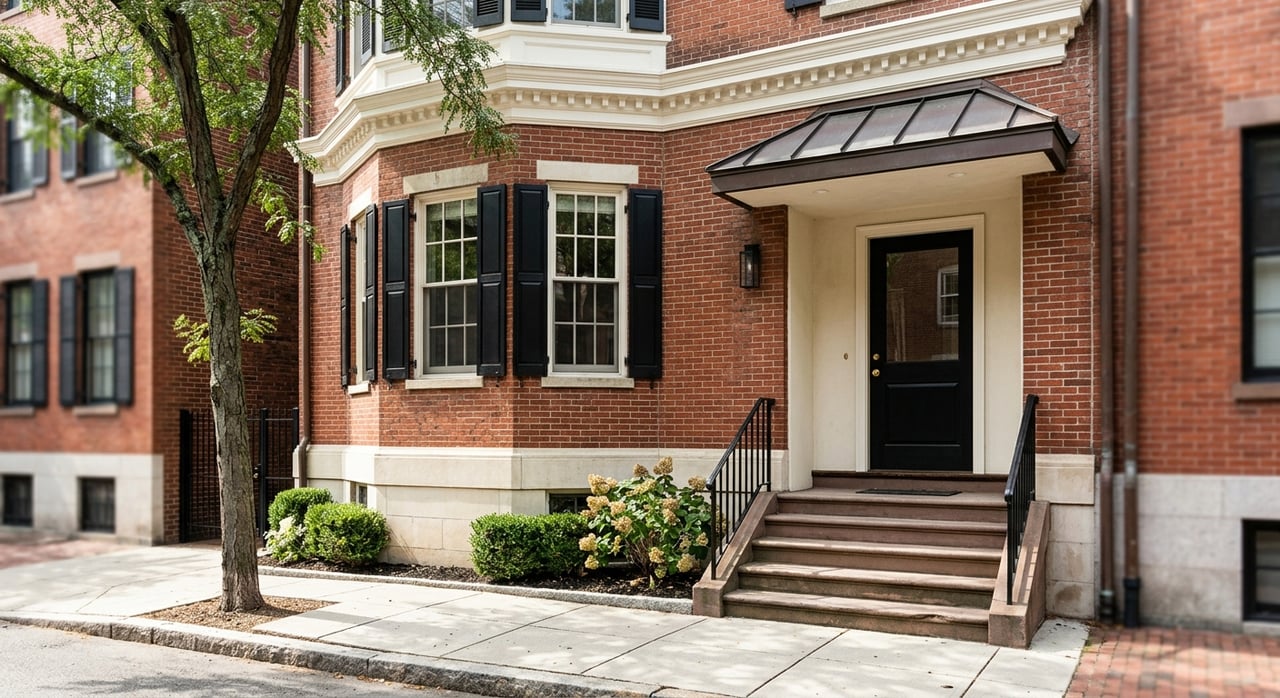
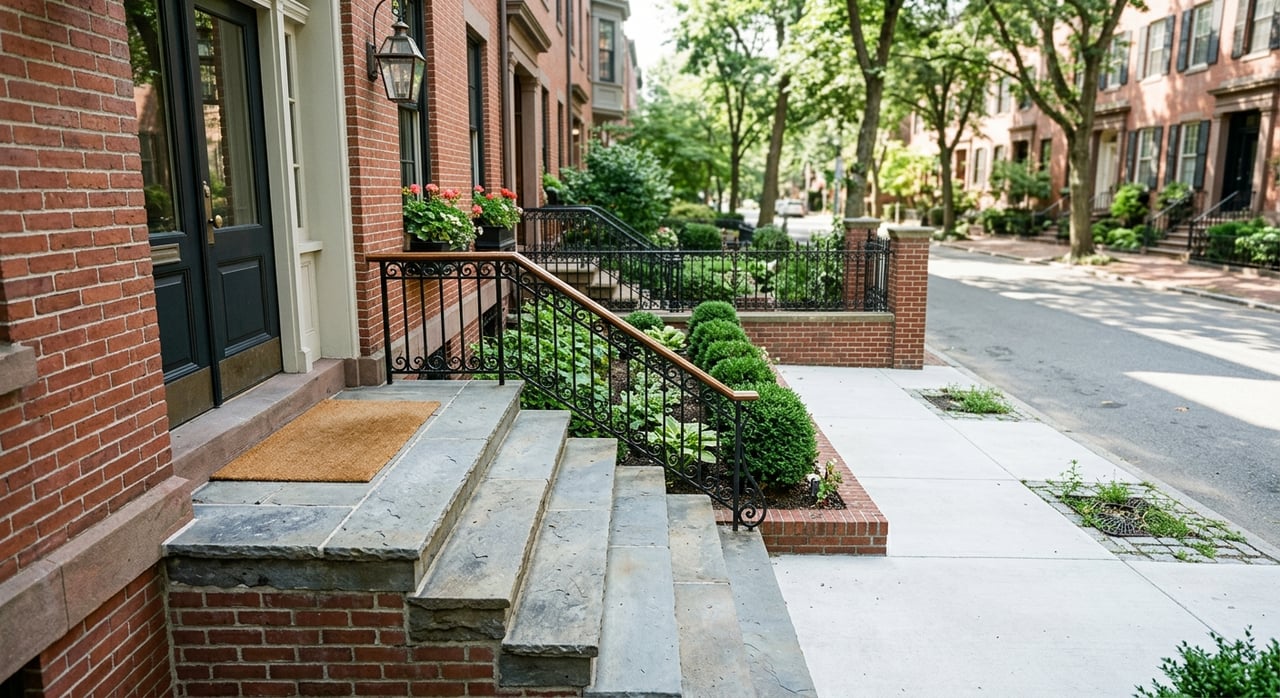
Charlestown’s housing stock is varied, which is part of what makes the neighborhood appealing to a wide range of residents. According to Climate Ready Boston, the housing mix includes brick and wood-framed row houses, waterfront condominiums, and apartments. That combination gives you options whether you are drawn to historic architecture, condo living, or a more traditional apartment setup.
The neighborhood also includes a major public housing presence. The Bunker Hill Apartments are described by the city as Boston’s largest public housing development, with 1,100 units for low- to moderate-income households. This is an important part of Charlestown’s housing landscape and reflects the neighborhood’s mix of older housing, varied price points, and ongoing redevelopment.
Charlestown is not frozen in time. Boston’s 2026 housing capital budget notes that the Bunker Hill redevelopment is continuing, including a completed first new building with 102 income-restricted units and another 266-unit building moving toward construction. That means the neighborhood includes both preserved historic housing and significant new public redevelopment activity.
In the Navy Yard, the housing pattern looks different from the rowhouse sections of Charlestown. Former military and industrial structures have been adapted for residential use, adding condo-style homes and reused historic buildings near the waterfront. If you are comparing different parts of Charlestown, this distinction matters because the housing experience can vary block by block.
Who Charlestown May Appeal To
Charlestown often attracts people who want city living without giving up neighborhood identity. The city notes that its proximity to Downtown Boston and its historic housing stock have made it attractive to young professionals. The city also describes the area as home to a traditionally Irish population alongside immigrants and young professionals.
For you as a buyer or renter, that can translate into a neighborhood that feels established, compact, and connected. It may be especially worth a closer look if you value walkability, transit access, waterfront surroundings, and a strong sense of local history. Compared with larger commercial districts, Charlestown tends to feel more residential and district-like.
Transit and Getting Around
Charlestown offers several transit options that can make daily travel easier. The neighborhood has Orange Line access at Community College Station and Sullivan Square. The city also lists bus routes 92 and 93 and the Navy Yard ferry stop on route F1.
That range of options matters if you are thinking about commuting or staying connected to the rest of Boston. Depending on where you live within Charlestown, you may have access to rail, bus, ferry, and walkable local routes. For a neighborhood with such a strong historic identity, Charlestown remains well tied into the city’s broader transportation network.
Schools in Charlestown
If schools are part of your home search, Charlestown includes several Boston Public Schools locations within the neighborhood. Boston Public Schools lists Harvard-Kent Elementary at 50 Bunker Hill Street, Warren-Prescott K-8 at 50 School Street, and Charlestown High School at 240 Medford Street, which serves grades 7 through 12.
Charlestown High School offers Early College Pathways with Bunker Hill Community College, AP courses, and family-engagement programming. Boston Public Schools also notes that the renovated Edwards building in Charlestown opened in fall 2024 to house the Horace Mann School for the Deaf and Hard of Hearing community, along with the early childhood grades of Warren-Prescott.
When you are comparing neighborhoods, it helps to know what educational options are located nearby. School fit is personal, so the best next step is usually to confirm current assignment, enrollment, and program details directly as part of your search.
How Charlestown Compares
Charlestown offers a different experience than Boston neighborhoods known for larger office towers, heavy retail, or broader entertainment districts. Its commercial life is more concentrated along Main Street, City Square, and Bunker Hill Street, while much of the surrounding fabric remains residential. That creates a more contained neighborhood feel.
It also stands apart from other waterfront areas because of its Revolutionary-era landmarks and strong Navy Yard identity. Public history is highly visible here, and so is ongoing climate resilience planning. If you want a neighborhood that feels rooted in Boston’s past while still functioning as a modern residential community, Charlestown has a clear niche.
What to Keep in Mind as You Search
Charlestown can be a smart neighborhood to explore if your priorities include history, walkability, transit, and a compact street layout. It may feel especially appealing if you want a place with recognizable landmarks, access to waterfront areas, and a housing stock that ranges from classic row houses to condo-style homes in adapted historic buildings.
At the same time, no Boston neighborhood is one-size-fits-all. The right fit depends on your budget, preferred home style, commute pattern, and how much you want from your immediate surroundings. That is where local guidance can make a big difference, especially in a neighborhood with several distinct sub-areas and housing types.
If you are thinking about buying, selling, renting, or simply comparing Charlestown with other Boston neighborhoods, working with a team that understands micro-markets can help you narrow the options quickly and confidently. The Fedorouk and Guessous Group offers neighborhood-driven guidance across Boston with a high-touch, client-first approach.
FAQs
What is Charlestown known for in Boston?
- Charlestown is known for its Revolutionary War history, the Bunker Hill Monument, the Charlestown Navy Yard, and the USS Constitution, along with its role as Boston’s oldest neighborhood.
What types of homes are common in Charlestown?
- Charlestown includes brick and wood-framed row houses, waterfront condominiums, apartments, public housing, and residential spaces created through adaptive reuse in the Navy Yard.
What are the main commercial areas in Charlestown?
- The city identifies Main Street and City Square as key neighborhood hubs, and Main Street and Bunker Hill Street as main commercial corridors.
What transit options serve Charlestown?
- Charlestown has Orange Line access at Community College Station and Sullivan Square, plus bus routes 92 and 93 and the Navy Yard ferry stop on route F1.
What schools are located in Charlestown?
- Boston Public Schools lists Harvard-Kent Elementary, Warren-Prescott K-8, and Charlestown High School in the neighborhood, with additional programming in the renovated Edwards building.
Is Charlestown more residential or commercial?
- Charlestown is generally more residential in feel, with commercial activity concentrated in a few corridors rather than spread across a large shopping or office district.