If you want a Boston neighborhood where daily life feels easy to navigate and full of things to do, Back Bay is usually near the top of the list. You may be weighing commute options, walkability, local culture, and whether the neighborhood’s energy fits your routine. This guide will show you what everyday living in Back Bay actually looks like, from getting around to running errands to finding downtime near home. Let’s dive in.
Back Bay at a glance
Back Bay sits along the Charles River near Downtown Boston and the Public Garden. According to Boston Planning, the neighborhood was built on filled tidal marshes in the mid-1800s, adding about 450 acres to the city. Today, it blends historic residential blocks with active commercial streets.
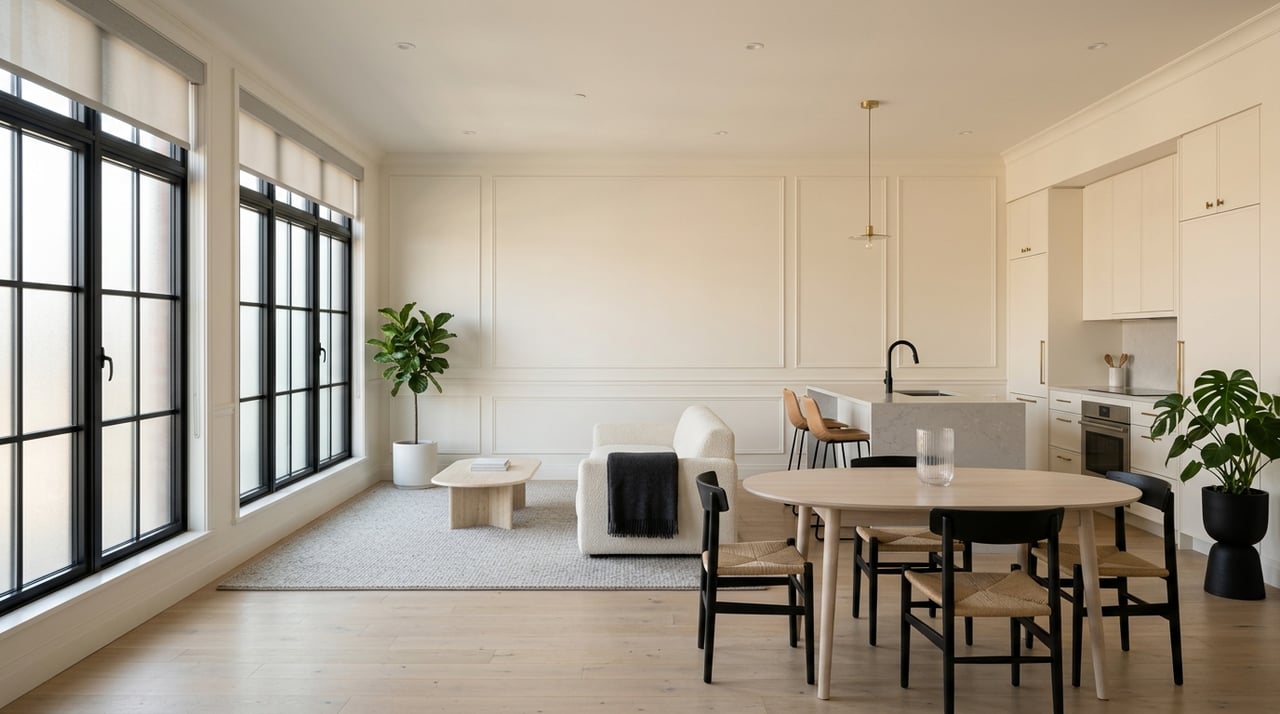
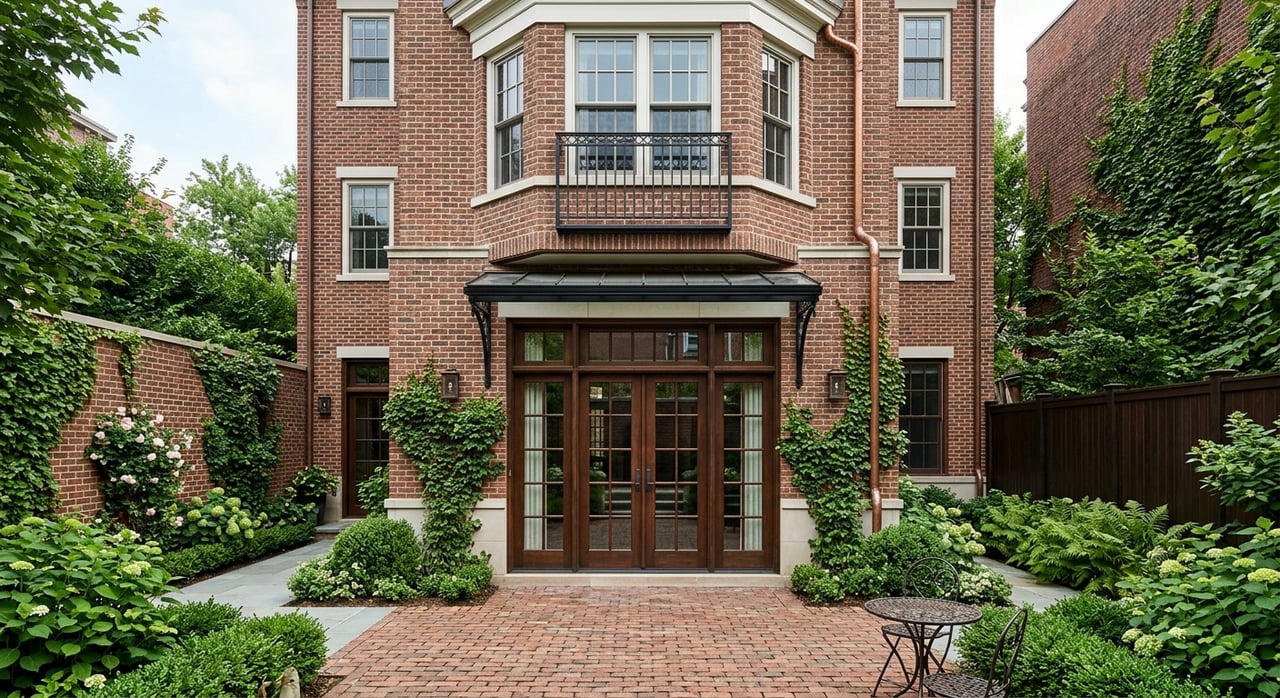
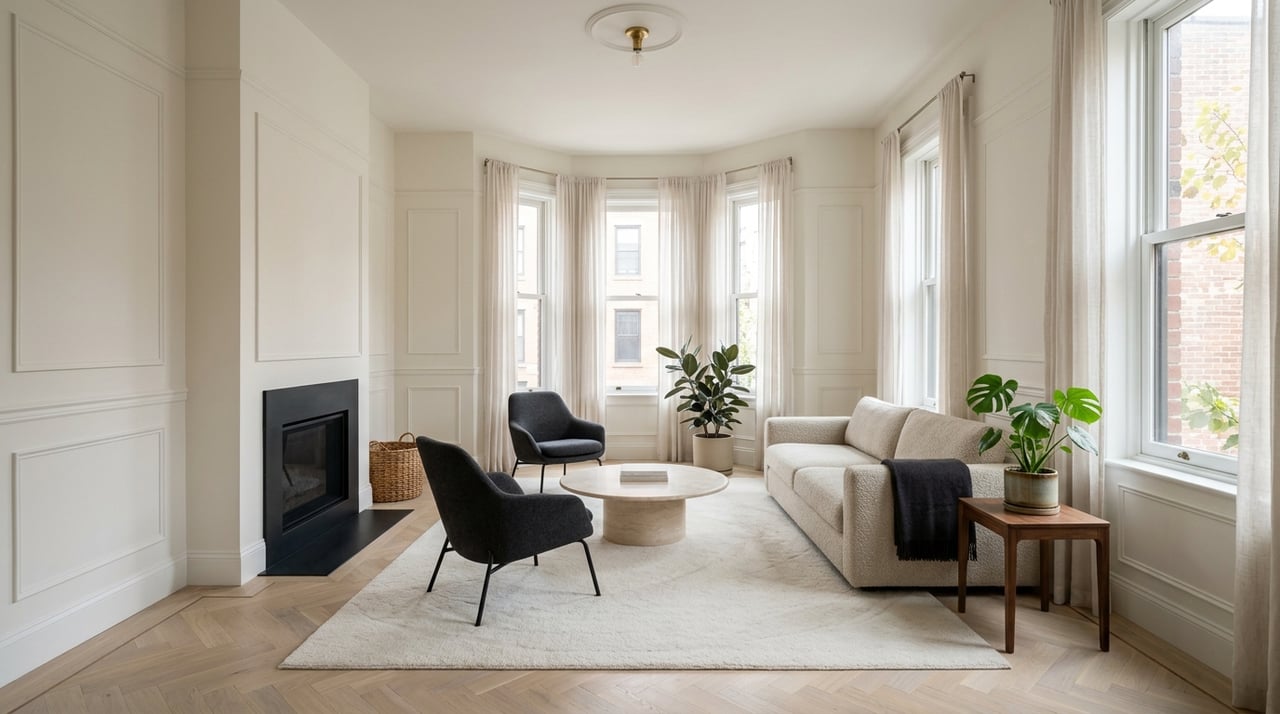
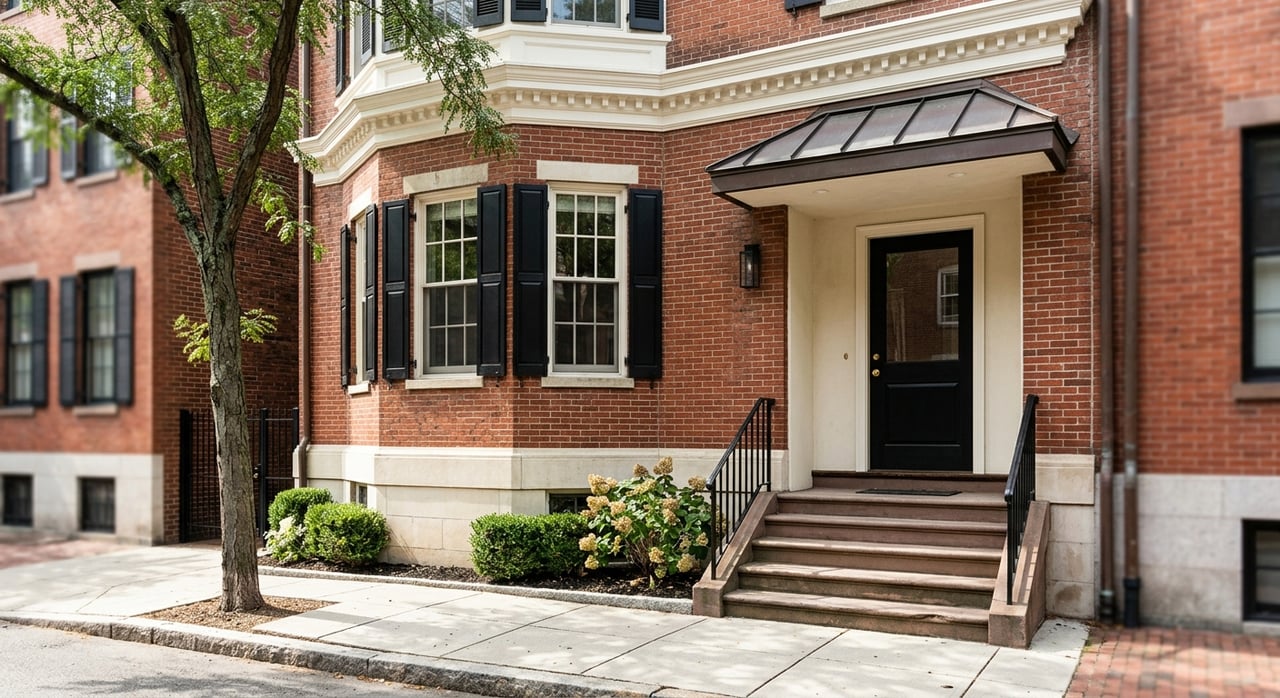
That mix is a big part of Back Bay’s identity. You get Victorian row houses, brick sidewalks, major shopping corridors, and easy access to some of Boston’s most recognizable public spaces. In practical terms, it means your day can move quickly from home to work to dinner to a walk by the river without much effort.
Commutes in Back Bay
One of Back Bay’s biggest advantages is how many ways you can get around. If you rely on transit, the neighborhood gives you strong coverage for both local and regional travel. That can make a big difference if you work in another part of Boston or travel outside the city often.
Transit options nearby
Back Bay is served by several major transit points. The Boston Public Library and the City of Boston note access near Copley on the Green Line, plus Arlington, Copley, and Hynes on the Green Line, along with Back Bay Station on the Orange Line, Commuter Rail, and Amtrak.
Bus service also adds flexibility to daily travel. Reported routes in and around the area include 9, 10, 55, 39, 504, 57, 553, and 501. For many residents, that range of options helps reduce the need to plan your life around a car.
Walking and biking are part of daily life
Back Bay supports a car-light lifestyle in a very practical way. Open Newbury Street uses bike corrals and nearby Bluebikes stations, and the Boston Public Library notes bike racks plus a Bluebikes station near Dartmouth and Boylston.
The street layout also makes short trips easier to do on foot. Whether you are heading to coffee, the library, dinner, or a quick errand, many everyday destinations are close together. That convenience is one reason Back Bay appeals to people who want city living without feeling dependent on driving for every task.
Driving is possible, but not always easiest
You can absolutely drive in Back Bay, but it may not be your simplest option day to day. The research points to limited street parking, with nearby garages in Copley Square and at Exeter Street.
That setup works best if you view a car as optional rather than essential. If you drive occasionally, it can be manageable. If you expect easy parking every day, Back Bay may feel more challenging than a less central neighborhood.
Culture and everyday experiences
Back Bay is not just convenient. It also offers a strong sense of place. The neighborhood’s streets, public spaces, and cultural anchors create a daily rhythm that feels active, social, and distinctly Boston.
Newbury Street shapes the neighborhood feel
Boston Planning describes Newbury Street as a corridor filled with international retailers, salons, boutique offices, and restaurants. Nearby streets like Boylston Street, St. James Street, and Huntington Avenue add more retailers, hotels, restaurants, and office buildings.
For you, that means the neighborhood supports more than just special occasions. You can handle errands, meet friends for dinner, browse shops on a weekend, or grab something quickly after work without leaving the area. In Back Bay, the street life itself becomes part of the appeal.
Open Newbury adds a different pace
The City of Boston describes Open Newbury Street as a pedestrian-only tradition and frames the corridor as a place to shop, dine, or simply walk. On those days, the neighborhood takes on an even more social and public feel.
If you enjoy lively streets and people watching, this can be a real plus. It adds to the sense that Back Bay is not just somewhere you live, but somewhere you actively experience. For some buyers and renters, that kind of energy is a major draw.
The library is an everyday anchor
The Boston Public Library’s Central Library in Copley Square adds another layer of convenience and culture. It offers accessible entrances, computers, Wi-Fi, tours, cafés, exhibitions, and public programming.
That matters because it gives the neighborhood a resource you can use in many ways. It can be a quiet place to work, a cultural stop during the week, or a reliable part of your routine. In a dense city neighborhood, that kind of civic space adds real value.
Convenience for daily errands
Back Bay works well for people who want daily life to feel streamlined. You are not relying on one shopping center or one main street. Instead, convenience is spread across the neighborhood in a way that supports different routines.
Shopping and dining close to home
Prudential Center adds major everyday utility, with more than 70 shops, eateries, and experiences according to its official site. Combined with Newbury Street and Boylston Street, that gives you a broad mix of places to eat, shop, and spend time.
This setup can make the neighborhood especially practical if your schedule is busy. You can fit errands into your commute, pick up what you need after work, or make a casual weekend afternoon out of places that are already nearby. In many cases, convenience is measured in blocks, not miles.
Why routines feel simpler here
When a neighborhood combines transit, restaurants, shops, and public spaces in a tight area, your routine tends to become more efficient. Back Bay offers exactly that kind of layout. You are often able to do more in less time.
That does not mean life feels slow. In fact, Back Bay is often quite active. But if you value access and efficiency, the neighborhood makes a strong case for itself.
Green space and room to reset
Even with its urban pace, Back Bay has meaningful access to green space. That balance helps the neighborhood feel more livable over time. You are close to busy streets, but you are also close to places where you can slow down.
Parks and paths nearby
Boston Planning highlights the Commonwealth Avenue Mall and the Paul Dudley White Bicycle Path as important recreational assets. Boston.gov also describes Commonwealth Avenue Mall as the spine of Back Bay and a green connection between the Public Garden and the wider Olmsted park system.
That gives you options for a quick walk, a bike ride, or a change of scenery without leaving the neighborhood. Boston Common and the Public Garden are also part of the nearby park network, adding even more access to open space.
The Charles River is part of daily life
The Charles River Esplanade adds another dimension to living in Back Bay. The Esplanade Association says it supports green space and community through educational, cultural, and recreational programming, including free riverfront concerts and the Esplanade 5K Run & Walk.
For residents, the riverfront is more than just a weekend destination. It can be part of your morning walk, evening run, or casual reset after a long day. That kind of nearby escape is one of the neighborhood’s strongest lifestyle benefits.
The tradeoffs to know
No neighborhood is perfect for everyone, and Back Bay is no exception. The same features that make it exciting and convenient can also create a more active daily environment.
Boston Planning describes Back Bay as having bustling commercial streets, and the area also includes major destinations like the Hynes Convention Center and the Boston Marathon finish line. Along with pedestrian-heavy Open Newbury days, that can mean more foot traffic, event-day congestion, and less predictable quiet than you might find in a more residential part of Boston.
For many people, that is a worthwhile trade. You are getting central location, strong transit access, historic character, and a wide range of amenities. Still, it helps to be honest about your preferences before deciding whether Back Bay fits the way you want to live.
Who Back Bay tends to suit
Back Bay often works well for people who want a highly connected city lifestyle. If you value walkability, dining, cultural access, and multiple transit choices, the neighborhood offers a lot in a compact footprint.
It may also appeal to you if you like being in the middle of activity rather than on the edge of it. On the other hand, if your top priority is quiet streets and easier driving, you may want to compare Back Bay with neighborhoods that feel less busy. The right fit comes down to how you want your daily routine to feel.
If you are exploring a move to Back Bay, buying, selling, or renting here is easier when you have guidance from a team that understands the neighborhood block by block. The Fedorouk and Guessous Group brings local Boston insight, responsive service, and practical advice to help you make a confident move.
FAQs
Can you live in Back Bay without a car?
- Yes. Back Bay has Green Line access, Orange Line service, Commuter Rail, Amtrak, bus routes, bike infrastructure, and strong walkability, while street parking is limited.
What is everyday convenience like in Back Bay?
- Back Bay offers a dense mix of shops, restaurants, services, public spaces, and transit, with major daily-use areas like Newbury Street, Boylston Street, and Prudential Center close together.
What do people do for downtime in Back Bay?
- Many residents spend time at the Boston Public Library, walk or bike along Commonwealth Avenue Mall or the Paul Dudley White Bicycle Path, or head to the Charles River Esplanade.
What makes Back Bay feel different from quieter Boston neighborhoods?
- Back Bay combines historic housing, active retail streets, public events, and major destinations, which creates a more animated and central day-to-day environment.
Is Back Bay a good fit if you want easy commuting in Boston?
- It can be. The neighborhood offers access to multiple train lines, bus routes, biking options, and walkable streets, which makes commuting more flexible for many residents.