Feeling cramped in a Back Bay condo can sneak up on you. One extra desk, a growing household, or a stronger need for storage can turn a once-perfect home into a daily puzzle. If you are wondering whether it makes sense to sell your Back Bay condo and upsize, the answer depends on your equity, timing, and where you want more space to come from. Let’s dive in.
Why upsizing in Back Bay is tricky
Back Bay offers a rare mix of historic character, central location, and everyday convenience near Downtown and the Public Garden. That appeal is a big reason many owners want to stay even after they need more room. The challenge is that larger homes are simply harder to find here.
Boston Planning data shows that Back Bay’s occupied housing stock leans heavily toward smaller homes. About 56.3% of units are studios or one-bedrooms, 29.5% are two-bedrooms, and only 14.1% are three-bedrooms or larger. That means if you want to upsize within Back Bay, you are usually competing for a much smaller slice of the market.
In practical terms, your next move may involve one of three paths:
- Finding a rarer larger condo in Back Bay
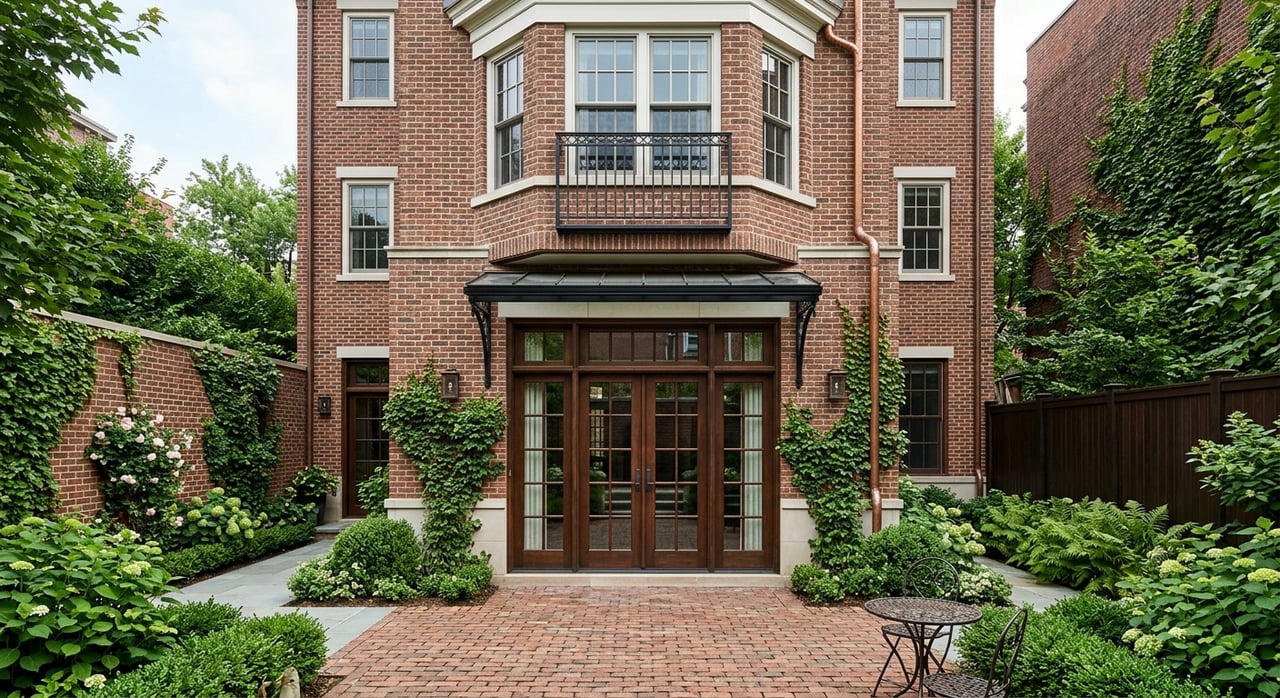
- Moving into a brownstone-style property
- Expanding your search to another Boston neighborhood or suburb
What the Back Bay market is telling you
Back Bay remains an expensive market, but the exact numbers vary depending on the data source. Redfin reported a median sale price of $1.51 million over the three months ending April 2026, while Zillow reported a typical home value of $1,344,570. Realtor.com showed a median listing price of $2.18 million.
Those differences do not mean one source is wrong. They are measuring different things, in different time windows. The safer takeaway is that Back Bay is still a high-price market where larger homes can command a premium.
Timing matters too. Redfin reported 51 median days on market, Zillow reported 62 days to pending, and broader condo data across the GBAR territory showed 65 cumulative days on market in March 2026. That points to a market that often rewards planning, not rushing.
Start with your net proceeds
Before you decide whether to upsize, you need a clear estimate of what you would walk away with after selling. Your headline sale price is only part of the story. What matters is your likely net proceeds.
A realistic net sheet should account for:
- Your remaining mortgage payoff
- Massachusetts deeds excise tax
- Agent compensation
- Other seller closing costs
In Massachusetts, the deeds excise is $2.28 per $500 of consideration. Because that cost applies at closing, it should be part of your move-up math from the beginning, not an afterthought at the end.
If your equity is strong, selling may unlock the down payment you need for a larger home. If your net proceeds are thinner than expected, it may make more sense to wait, adjust your target area, or rethink how much additional space you really need.
Consider your financing before shopping
It is easy to fall in love with a larger home before pressure-testing the financing. That can create stress fast, especially in a high-cost neighborhood like Back Bay. Your next purchase may involve a different financing structure than your current condo did.
Freddie Mac reported the national average for a 30-year fixed mortgage at 6.48% on June 4, 2026. At the same time, the 2026 one-unit conforming loan limit for Suffolk County is $962,550. Since current Back Bay price snapshots sit above that level, many move-up purchases in the neighborhood may land above the conforming range.
That does not automatically mean you will need jumbo financing, but it does mean you should explore the possibility early. A larger down payment, different reserve requirements, or a higher monthly payment may shape where and how you upsize.
Decide whether to sell first or buy first
One of the biggest move-up questions is sequence. Should you sell your condo first, buy first, or try to close both transactions around the same time? In Back Bay, there is no one-size-fits-all answer.
Because current local snapshots suggest a moderate pace rather than a super-fast market, many owners benefit from building a plan before they list. If your condo sells before you secure the next home, you may need temporary housing or flexible timing. If you buy first, you need to be comfortable carrying overlap risk.
Here is a simple way to think about the options:
| Strategy | Potential upside | Potential trade-off |
|---|---|---|
| Sell first | Clearer budget and net proceeds | You may need temporary housing if timing does not line up |
| Buy first | More time to search without rushing | You may carry two housing costs for a period |
| Simultaneous closing | Less disruption if it works smoothly | Harder to coordinate and more timing-sensitive |
In a market where listings and closings do not always move in perfect sync, careful coordination matters. Your ideal sequence depends on your cash reserves, risk tolerance, and how flexible your timeline is.
Staying in Back Bay versus looking elsewhere
For many owners, the real question is not just should I upsize? It is where can I realistically get the space I want? Back Bay’s limited supply of larger units often pushes this decision to the front of the process.
If you want to remain in the same central, historic part of Boston, it helps to know that nearby neighborhoods can face similar constraints. Boston Planning’s 2025 data shows that three-bedroom-plus units make up 13.6% of housing stock in Beacon Hill and 15.9% in the South End, compared with 14.1% in Back Bay. So expanding your search slightly may not always produce a dramatically larger set of options.
Other neighborhoods offer more family-sized housing stock. Boston Planning reports that South Boston has 30.0% three-bedroom-plus units, while Dorchester has 50.0%. If your top priority is simply more room, those areas may offer more choices than the Back Bay, Beacon Hill, and South End core.
Of course, space is only one side of the trade-off. Moving farther out can change your commute, parking setup, and daily routines. Back Bay’s access to Newbury Street, the Commonwealth Avenue Mall, the Esplanade, and Downtown is part of what you may be giving up when you gain square footage.
Compare more than square footage
Upsizing is not only about adding bedrooms. In Boston, the details of how a home lives day to day can matter just as much as raw size. A larger home that creates new friction may not feel like a true upgrade.
As you compare options, look closely at:
- Condo fees
- Parking availability
- Elevator access
- Storage space
- Layout efficiency
- Renovation limits
- Monthly carrying costs
A well-designed two-bedroom with parking and storage may serve you better than a nominally larger home with awkward flow or higher ongoing costs. The goal is not just more space. It is more useful space.
Think carefully about historic property rules
If your move-up plan includes a brownstone or another historic property, renovation timing may become part of your decision. That matters most if you are buying a place with the intention of making changes right after closing.
In the Back Bay Architectural District, proposed exterior changes require review, and no exterior work may begin until the Back Bay Architectural District Commission has approved the application. If your vision for the property includes exterior updates, that approval process can affect your move-in schedule and renovation budget.
This does not mean historic properties are a bad choice. It simply means your timeline should reflect the reality of the property type. Planning ahead is especially important if you are coordinating a sale, purchase, and post-closing work all at once.
Signs it may be time to upsize
Sometimes the decision becomes clearer when you step back from the market data and look at your daily life. If your current condo no longer supports how you live, work, or host, waiting may carry its own cost.
You may be ready to upsize if:
- You consistently need more than one flexible living or work area
- Storage has become an everyday frustration
- Your current layout no longer fits your household needs
- You have enough equity to make the next purchase realistic
- You are open to trade-offs on location, style, or timing
If several of those points sound familiar, it may be time to test the numbers and your options. Not every owner should move now, but many benefit from getting clear on what is possible before they feel urgent pressure.
A smart move-up plan starts with clarity
Selling your Back Bay condo and upsizing can absolutely make sense, but it works best when you treat it as a strategy, not a guess. Back Bay is expensive, larger homes are relatively scarce, and the move-up path often requires balancing equity, financing, timing, and location.
The good news is that you do not need to answer every question alone. With a clear valuation, realistic net sheet, and a focused search plan, you can decide whether staying in Back Bay, moving elsewhere in Boston, or heading farther out gives you the best fit for your next chapter.
If you are thinking about making a move, Fedorouk and Guessous Group can help you evaluate your condo’s value, map out timing, and build a practical plan for what comes next.
FAQs
Should I sell my Back Bay condo before buying a larger home?
- It depends on your cash reserves, risk tolerance, and timing flexibility. Selling first can give you a clearer budget, while buying first can give you more search time but may create overlap in housing costs.
Is it hard to find a larger home in Back Bay?
- Yes. Boston Planning data shows that only 14.1% of Back Bay housing units are three-bedrooms or larger, so larger homes are relatively limited compared with smaller condos.
What costs should I include when selling a Back Bay condo?
- You should include your mortgage payoff, Massachusetts deeds excise tax, agent compensation, and other seller closing costs when estimating net proceeds.
Could a larger Back Bay purchase require jumbo financing?
- It could. The 2026 conforming loan limit for one-unit properties in Suffolk County is $962,550, and many Back Bay price points sit above that threshold, so it is wise to review financing options early.
Are there Boston neighborhoods with more larger homes than Back Bay?
- Yes. Boston Planning data shows higher shares of three-bedroom-plus housing in places like South Boston and Dorchester than in Back Bay.
Do historic Back Bay properties have renovation restrictions?
- They can. In the Back Bay Architectural District, exterior changes require approval, and exterior work cannot begin until the commission has approved the application.