Looking for a Boston neighborhood where brunch can turn into gallery hopping, and a quiet park bench is never far from dinner plans? The South End stands out for exactly that mix. If you are considering a move, a rental, or even just getting to know the area better, this guide will help you understand how food, art, and everyday convenience come together here. Let’s dive in.
Why South End Feels Different
The South End has a distinct identity within Boston. According to Boston.gov, it is a cosmopolitan neighborhood just minutes from Downtown and Back Bay, shaped by major corridors like Tremont Street, Columbus Avenue, and Massachusetts Avenue.
What often draws people in is the balance. You get a thriving arts community, some of the city’s best-known restaurants, and nearly 30 parks spread through the neighborhood. That creates a lifestyle that feels lively without being one-note.
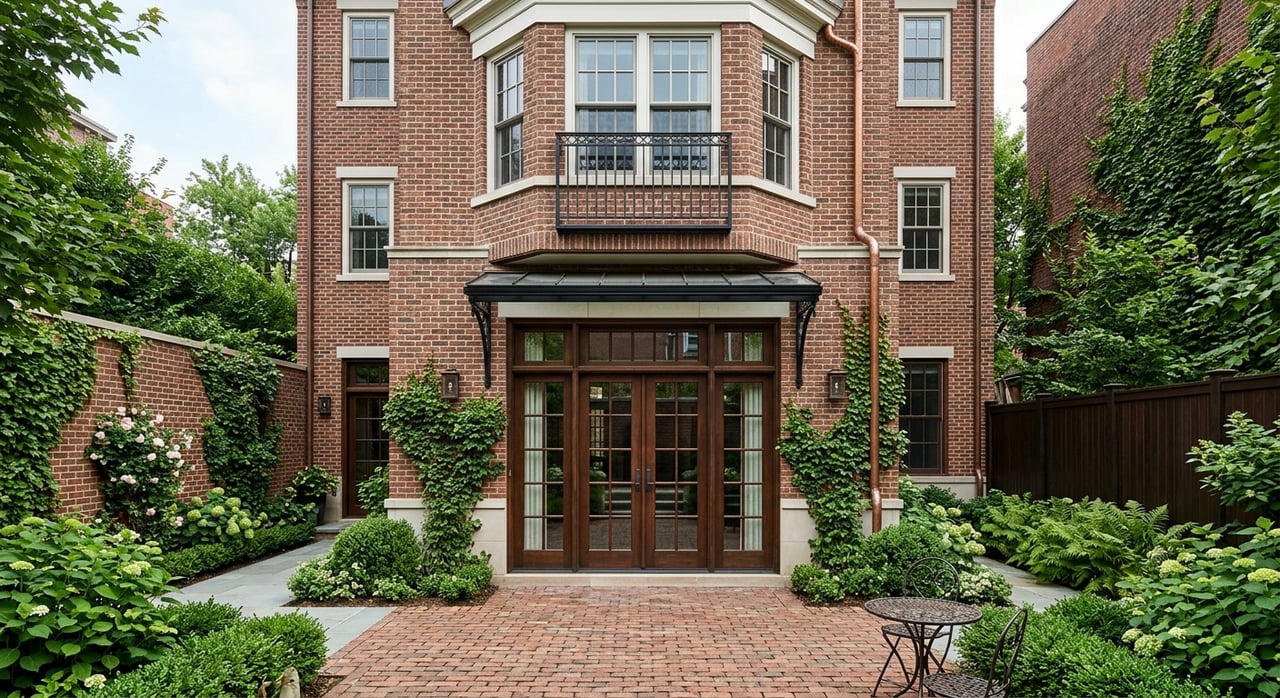
The South End is also a landmark district, designated in 1983. For you as a buyer or homeowner, that matters because exterior work visible from public ways may require review by the Landmarks Commission before permits are issued. If you are considering a property with renovation potential, planning ahead is especially important here.
South End Food Scene
If food is part of how you choose where to live, the South End makes a strong case for itself. Eater’s March 2025 update describes the neighborhood as a place where you can find everything from greasy-spoon breakfasts to sushi omakase, along with some of Boston’s standout Greek food.
That range is part of the appeal. The neighborhood is not built around one dining trend. Instead, it offers a layered restaurant scene where longtime favorites and newer arrivals sit close together.
Notable South End Restaurants
A few names come up repeatedly when people talk about the South End dining scene. Eater highlights:
- Toro for Spanish tapas
- Myers + Chang for dim sum brunch
- Kaia as a newer headline spot
- Baleia as a newer headline spot
- Yunnan Kitchen for Yunnan cuisine
- Delux Cafe for casual burgers, tacos, and late-night drinks
For you, that means dinner plans can stay flexible. Whether you want a quick casual meal, a lively brunch, or something more destination-worthy, the neighborhood supports a wide range of routines.
Coffee And Breakfast Culture
The South End’s coffee and breakfast scene is not an afterthought. It is part of the neighborhood rhythm.
Flour Bakery opened its first bakery in the South End in 2000 and still operates on Washington Street. That history says a lot about the neighborhood’s role in Boston’s dining story, and Time Out notes that Flour helped put that stretch of Washington Street on the culinary map.
You also have newer and more local-feeling options in the mix. Eater points to Sip of Joy for Turkish coffee and pastries, while Code 10 describes itself as a family-owned South End cafe on Washington Street, just steps from SoWa.
South End Art Scene
For art lovers, the South End offers more than a few isolated galleries. The arts are part of the neighborhood’s identity and day-to-day energy.
This is especially clear in SoWa, which serves as one of the strongest creative anchors in the neighborhood. If you want a place where visual art, design, and local events are easy to access, South End stands out.
SoWa Galleries And Events
The official SoWa site describes SoWa Centre as the heart of Boston’s art and design scene. It features more than 20 galleries within a two-block radius around 450 and 460 Harrison Avenue.
That concentration makes a real difference in how the neighborhood feels. Instead of treating art as an occasional outing, you can experience it as part of your regular weekend routine.
SoWa also hosts recurring events that help keep the area active and approachable:
- First Fridays on the first Friday of every month
- SoWa Open Market on Sundays during its seasonal run
If you like neighborhoods with built-in reasons to get out and explore, this kind of programming adds a lot.
Arts Organizations In The Neighborhood
The South End’s creative identity goes beyond SoWa. Several organizations help support working artists and public programming across the neighborhood.
United South End Artists focuses on cultivating arts community and runs South End Open Studios. Laconia Gallery provides non-commercial exhibit space to local artists and arts nonprofits, which adds another layer to the neighborhood’s arts ecosystem.
The Boston Center for the Arts is another major presence. From its historic South End campus, it supports working artists, develops audiences, and connects the arts to community through spaces and programs that include the Mills Gallery and the Cyclorama.
Live Music In South End
The arts conversation in the South End also includes music. Wally’s Cafe has offered live jazz in the neighborhood since 1947, seven nights a week.
That kind of long-standing venue gives the area cultural depth. It is not just about new openings or seasonal events. There is a sense of continuity here that many buyers and renters find appealing.
Parks And Outdoor Breathing Room
One of the South End’s biggest lifestyle advantages is how much open space is woven into the neighborhood. Boston.gov lists a dense network of parks and squares, including Blackstone Square, Franklin Square, Concord Square, Worcester Square, Union Park, Ringgold Park, and Titus Sparrow Park.
That network helps soften urban density. Even on a busy day, you are often only a short walk from a quieter patch of green space.
Parks That Shape Daily Life
Blackstone and Franklin Parks are highlighted by the City as restful open spaces. They contribute to the South End’s more pocket-park-driven feel, which sets it apart from some nearby neighborhoods.
Peters Park is especially useful if you want recreation close to home. It includes an athletic field, basketball, a dog park, a playground, and tennis, making it one of the more practical everyday amenities in the neighborhood.
For many people, these parks are more than a nice bonus. They shape how the neighborhood functions, especially if you value walkable outdoor options built into your routine.
Walkability And Transit
Daily life in the South End generally works best on foot or by transit. Boston’s getting-around guide notes that the city supports walking, biking, the T, ride sharing, and Logan Express service from Back Bay to Logan Airport. MBTA service generally runs from 5 a.m. to midnight.
That gives you several ways to move through the city without depending on a car for every trip. For many South End residents, that flexibility is a major draw.
T Access Near South End
Orange Line access is a practical advantage in and around the South End. Boston Magazine reports that residents commonly rely on Massachusetts Avenue, Back Bay, Ruggles, and Tufts Medical Center stations.
Wally’s Cafe also points to its location near the Massachusetts Avenue Orange Line stop, which reflects how central transit access is to the neighborhood’s daily life. If you commute, meet friends across the city, or travel often, those connections can make a noticeable difference.
A Practical Walkability Note
Walkability is a strength, but it is worth understanding the street-level experience too. Boston’s South End walkability project heard that Columbus Avenue sidewalks can feel narrow and congested, especially when trains let out at Back Bay Station.
That does not change the overall convenience of the neighborhood, but it helps set realistic expectations. If you are comparing blocks or deciding where to rent or buy, these small practical details can matter.
What This Means For Buyers And Renters
If you are drawn to the South End, chances are you are looking for more than square footage alone. You may want a neighborhood where restaurants feel woven into daily life, arts programming is easy to access, and parks break up the city grid in a meaningful way.
The South End supports that kind of lifestyle well. Its mix of food destinations, gallery density, live music, transit access, and pocket parks creates a neighborhood experience that feels both energized and livable.
If you are buying, the landmark district rules are also worth factoring into your search early, especially if you are considering a property that may need exterior updates. If you are renting, understanding the South End block by block can help you narrow in on the right mix of restaurant access, transit convenience, and quieter residential feel.
Whether you are searching for a condo, exploring rentals, or thinking about your next move in central Boston, neighborhood detail matters. The team at Fedorouk and Guessous Group can help you make sense of the South End with practical, local guidance.
FAQs
What makes South End different from other Boston neighborhoods for food and art lovers?
- The South End combines a strong restaurant scene, a major arts hub in SoWa, live jazz at Wally’s Cafe, and a dense network of parks, all within minutes of Downtown and Back Bay.
What are some well-known South End restaurants in Boston?
- Eater highlights Toro, Myers + Chang, Kaia, Baleia, Yunnan Kitchen, and Delux Cafe as notable South End dining spots.
Where can you see art in Boston’s South End?
- You can explore SoWa Centre’s galleries around Harrison Avenue, visit exhibits and programs at the Boston Center for the Arts, and look for events like South End Open Studios.
Are there good coffee and breakfast options in the South End?
- Yes. Flour Bakery’s original South End location remains a neighborhood staple, and newer options include Sip of Joy and Code 10 on Washington Street.
Is the South End walkable for daily life in Boston?
- Yes. The neighborhood is well suited to walking and transit, with access to nearby Orange Line stations and a street layout that connects you to dining, parks, and cultural spots.
What should South End homebuyers know about historic district rules?
- Because the South End is a landmark district, many exterior changes visible from public ways may require Landmarks Commission review before work begins.