Trying to choose between a South End condo and a brownstone-style home? You are not alone. In one of Boston’s most recognizable neighborhoods, the right fit often comes down to how you want to live, what kind of monthly costs you are comfortable with, and how much historic charm and building complexity you want to take on. This guide will help you compare the tradeoffs so you can make a more confident decision in the South End. Let’s dive in.
Why South End buyers compare these options
The South End offers a mix of historic architecture, urban convenience, and strong buyer demand. The City of Boston describes it as a landmark district and the largest Victorian residential district in the United States, known for its Victorian townhouses, small parks, and active restaurant and arts scene. That setting makes both larger condo buildings and brownstone-style properties appealing for different reasons.
It is also a premium market within Boston. According to Redfin’s South End housing market data, the median sale price in the neighborhood was $1.3M in February 2026, compared with a lower citywide median noted in local planning data. In a market like this, choosing the right property type is about more than price alone.
Brownstone vs condo in South End
In the South End, a brownstone is best understood as a building style, not a completely separate ownership category. Many brownstones are condo conversions inside historic rowhouses or townhouse-style buildings. By contrast, a condo in a larger building may come with more shared systems, more common spaces, and a different ownership experience.
That distinction matters because your day-to-day life may feel very different depending on the scale of the building. A smaller brownstone building may feel more private and house-like, while a larger condo building may feel more turnkey and service-oriented.
What a South End brownstone usually means
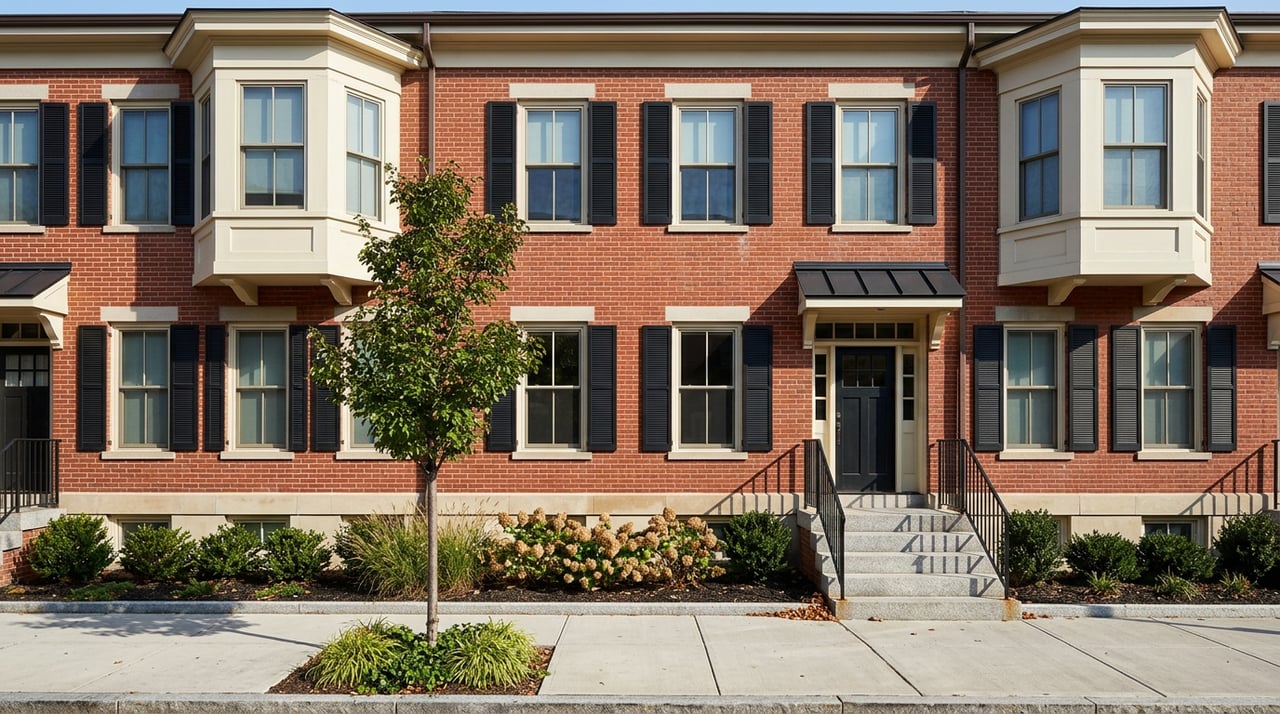
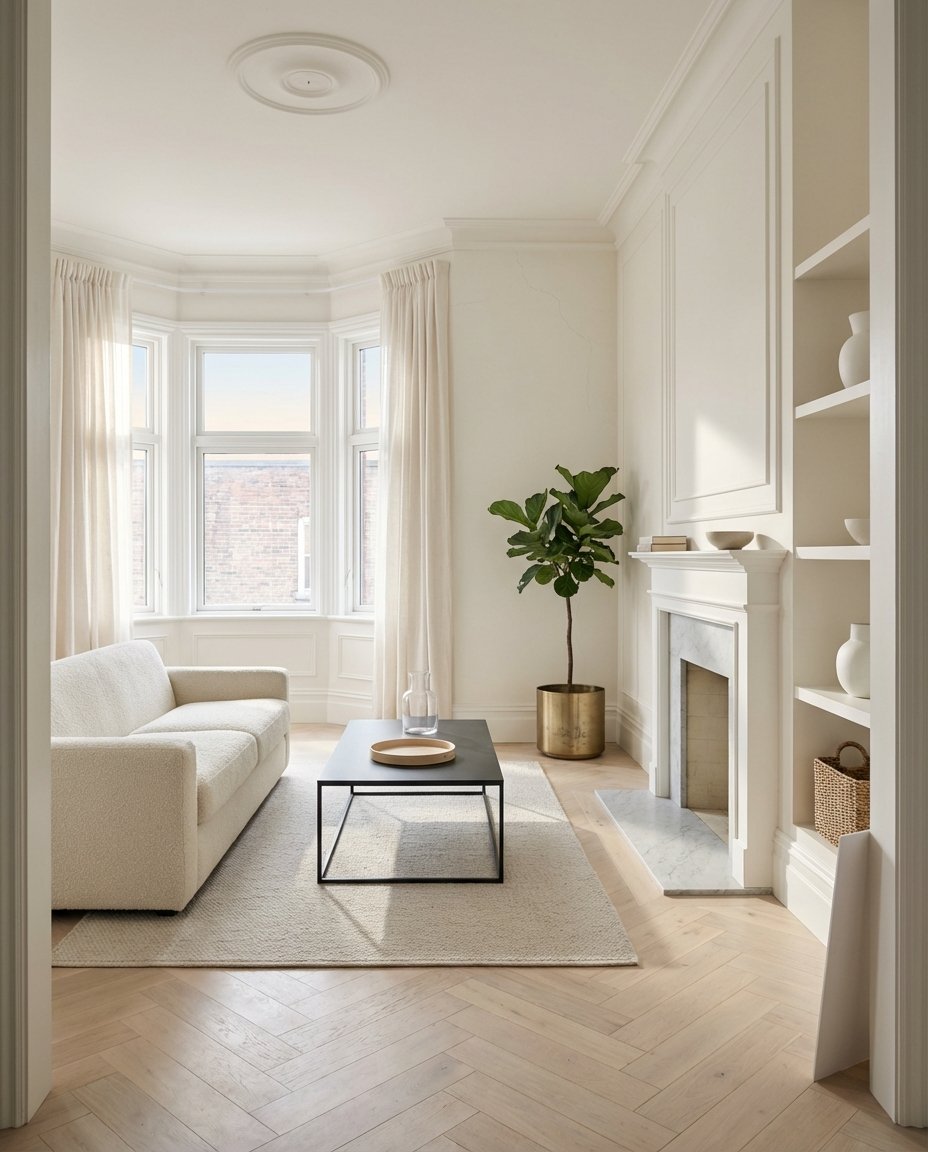
A South End brownstone often refers to a historic brick rowhouse that has been divided into a small number of units. You may find more original architectural detail, a more intimate setting, and fewer shared spaces. The tradeoff is that older buildings can require closer attention to maintenance, shared repairs, and building rules.
Because many brownstones have only a few units, the experience often depends heavily on the condo documents and how owners share responsibility. Fewer units can mean fewer layers of decision-making, but it can also mean fewer owners sharing the cost of major work.
What a larger South End condo building offers
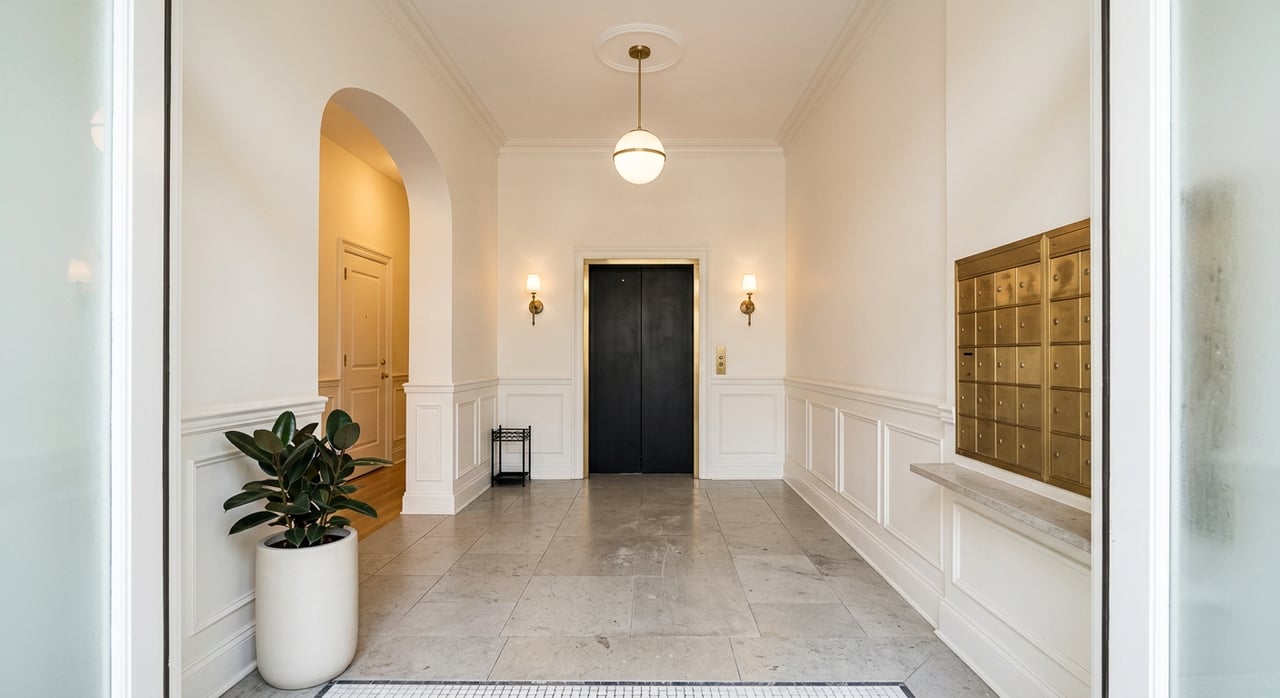
A larger condo building usually appeals to buyers who want less day-to-day maintenance and more building-level infrastructure. These buildings often have more shared systems, and that can make ownership feel simpler from a lifestyle standpoint.
At the same time, more shared infrastructure can also mean higher monthly condo fees. Under CFPB guidance on condo fees and HOA dues, these dues are separate from your mortgage payment and can range from a few hundred dollars to more than $1,000 per month.
Monthly costs matter more than labels
One of the biggest mistakes buyers make is focusing on the word “brownstone” or “condo” instead of the actual cost structure. In the South End, the smarter question is: What does ownership really cost each month?
Condo dues are an important part of that answer. The CFPB explains that condo associations often carry master insurance for common areas, while individual owners still need their own insurance for the unit. That means your monthly housing cost may include your mortgage, taxes, condo fee, and separate unit insurance.
Why fees can vary so much
Under Massachusetts General Laws Chapter 183A, Section 6, common expenses can be allocated based on a unit’s share of common areas and, in some cases, its location, amenities, or limited common areas. The law also allows for special assessments and certain owner-specific charges.
In practical terms, that means two homes with similar square footage may carry very different monthly fees. A larger building with more common systems may feel easier to live in, but it may also come with more shared expenses. A smaller brownstone may have lower monthly dues, but a major repair could have a bigger impact when fewer owners are sharing the bill.
Questions to ask about ownership costs
Before you buy, it helps to get very specific about the building’s finances. Ask questions like:
- What exactly does the monthly condo fee cover?
- Are there any pending special assessments?
- Are major capital projects planned in the near future?
- How are common expenses allocated?
- What insurance is covered by the association, and what do you need to insure yourself?
These details often tell you more than the listing description does.
Lifestyle differences to think through
Cost is only part of the decision. The South End condo versus brownstone conversation is also about how you want your home to feel and function.
A larger condo building often works well if you value a more lock-and-leave lifestyle. A smaller brownstone building may be a better match if you want historic character and a more residential feel inside the same walkable urban neighborhood.
Privacy and building scale
In general, more units mean more shared spaces and more neighbor interaction. Fewer units often create a quieter, more private atmosphere. Neither is automatically better, but one may fit your routine better than the other.
This is especially relevant in the South End, where the neighborhood’s appeal comes from both architecture and everyday convenience. The City of Boston highlights the area’s nearly 30 parks, the Southwest Corridor Path, and its strong restaurant and arts scene, while Redfin gives the neighborhood a Walk Score of 97.
Outdoor space is not always what it seems
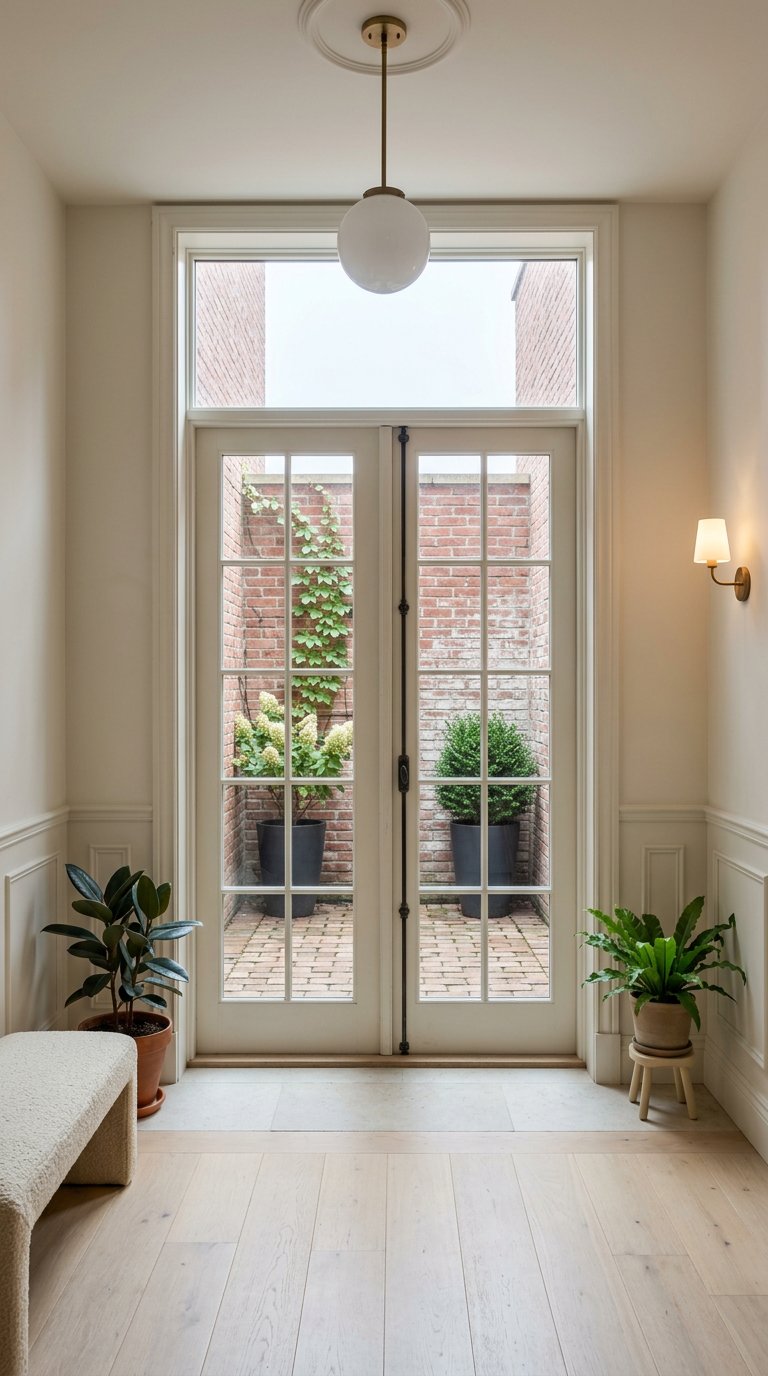
Outdoor space can be a major deciding factor, but you should never assume it is private just because it is attached to a unit. In Massachusetts, outdoor areas such as decks, roofs, patios, or yards may be deeded, designated as limited common area, or shared among owners.
Under Massachusetts condominium law, limited common areas can be assigned to a specific unit, and the association may require that owner to maintain them. So if outdoor space matters to you, ask exactly how it is classified and who is responsible for upkeep.
Historic rules can shape your options
The South End’s architecture is part of what makes it so desirable, but it also comes with important rules. Because the neighborhood is a landmark district, some exterior work requires approval before it begins.
According to the South End Landmark District guidelines from the City of Boston, the commission reviews exterior work affecting front facades, visible rooftops, and some side or rear elevations that face a public way. If you are thinking about replacing windows, altering a roof deck, or making visible exterior changes, this should be part of your decision early in the process.
Why this matters for brownstones and condos
These rules can affect both property types, but they often feel more immediate in older brownstone buildings where buyers may expect a more house-like level of control. If you love the idea of customizing visible exterior elements, you need to understand what approvals may be required.
In a larger condo building, some of those decisions may be handled more at the association level. In a smaller brownstone association, the process may feel more direct, but it can still involve both association agreement and landmark approval.
Which option fits your goals?
The best choice depends on your priorities, not on which property type sounds more prestigious. In the South End, both can be excellent options when the building is well-managed and the costs make sense for your budget.
Here is a simple way to think about it:
| If you value... | A larger condo building may fit | A smaller brownstone may fit |
|---|---|---|
| Lower day-to-day maintenance | Yes | Sometimes |
| More shared systems and infrastructure | Yes | Less often |
| Historic character | Sometimes | Often |
| House-like feel | Less often | Often |
| Fewer shared spaces | Less often | Often |
| Potentially simpler lock-and-leave living | Often | Sometimes |
This is not a hard rule. The right answer depends on the specific building, association health, outdoor space setup, and your comfort with historic property considerations.
A smart way to compare listings
When you tour South End properties, compare them with the same checklist every time. That keeps you focused on the details that matter most.
Use this short list:
- Monthly condo fee
- What the fee includes
- Reserve health and planned projects
- Any special assessments
- Number of units in the building
- Type of outdoor space and who controls it
- Insurance responsibilities
- Any known landmark-related limits on exterior changes
This kind of side-by-side comparison helps you evaluate the real ownership experience, not just the photos or finishes.
If you are weighing a South End condo against a brownstone-style home, the strongest move is to look beyond the label. Focus on the building’s scale, financial structure, historic restrictions, and how each option fits the way you want to live. If you want help comparing properties in the South End with a local, high-touch approach, connect with the Fedorouk and Guessous Group.
FAQs
What is the difference between a South End condo and a South End brownstone?
- In the South End, a brownstone is usually a historic building style, often set up as a condo conversion, while a larger condo building usually has more shared systems, common areas, and building-level costs.
Are condo fees included in a South End mortgage payment?
- No. The CFPB says condo or HOA dues are typically separate from your mortgage payment.
Do South End brownstones always have lower monthly fees than larger condo buildings?
- Not always. Smaller buildings may have fewer shared systems, but costs vary based on how expenses are allocated, what the association maintains, and whether special assessments are needed.
How does outdoor space work in South End condo buildings?
- Outdoor space may be deeded to your unit, treated as limited common area, or shared, so you should confirm ownership rights and maintenance responsibility before you buy.
Do South End exterior renovations need landmark approval?
- In many cases, yes. The South End Landmark District reviews certain exterior changes, including work affecting front facades and visible rooftops, before projects begin.