Beacon Hill’s brick streets and bowfronts are irresistible, but not every condo behind those doors lives the same way. If you want the right fit, you need to understand how layouts, amenities, and building rules shape daily life and long-term value. In this guide, you will compare the main condo types, learn the tradeoffs that matter, and see what to check before you offer. Let’s dive in.
Beacon Hill basics that shape every condo
Beacon Hill is a protected historic district. Exterior changes that are visible from a public way typically require review by the Beacon Hill Architectural Commission, and the guidelines restrict visible roof decks and mechanical equipment like AC condensers and solar panels. You should expect approvals for anything that alters the exterior or roofline that can be seen from the street. Review the city’s official Beacon Hill Architectural Commission guidelines before you plan upgrades.
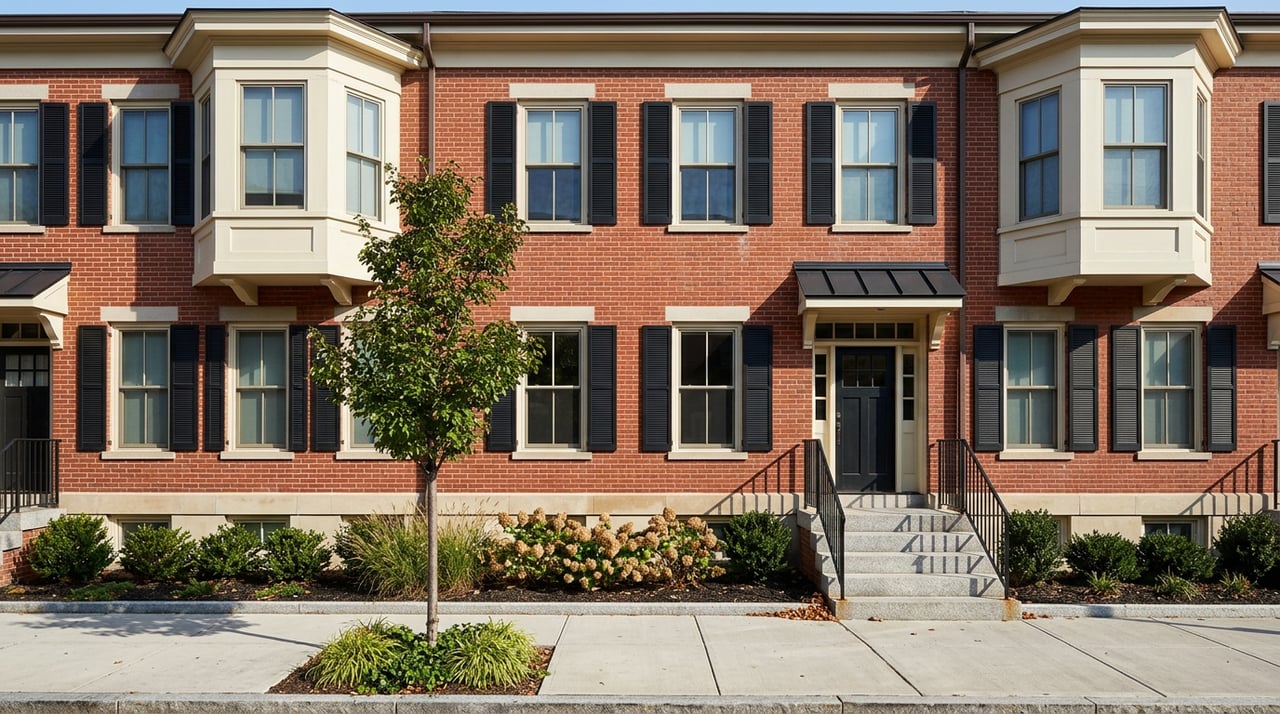
Most condos here sit inside 18th and 19th century rowhouses with narrow footprints and party walls. That building type drives predictable layouts and tradeoffs, from ceiling heights to stairs and storage. For architectural context, the Nichols House Museum outlines how Beacon Hill’s townhouses developed and why they look and live the way they do.
Parking and daily rules are another reality. Street parking follows the City’s resident-permit system, and blocks vary by hours and snow procedures. The Beacon Hill Civic Association’s guide explains the practical details that affect owners day to day, including permits and street-sweeping rules. You can browse the BHCA neighborhood guide for a helpful overview.
Common condo layouts on the Hill
In classic rowhouses, you will see repeating plan types that come with predictable pros and cons. A concise summary of brownstone layouts can be found in this overview of brownstone row house floor plans.
Parlor level
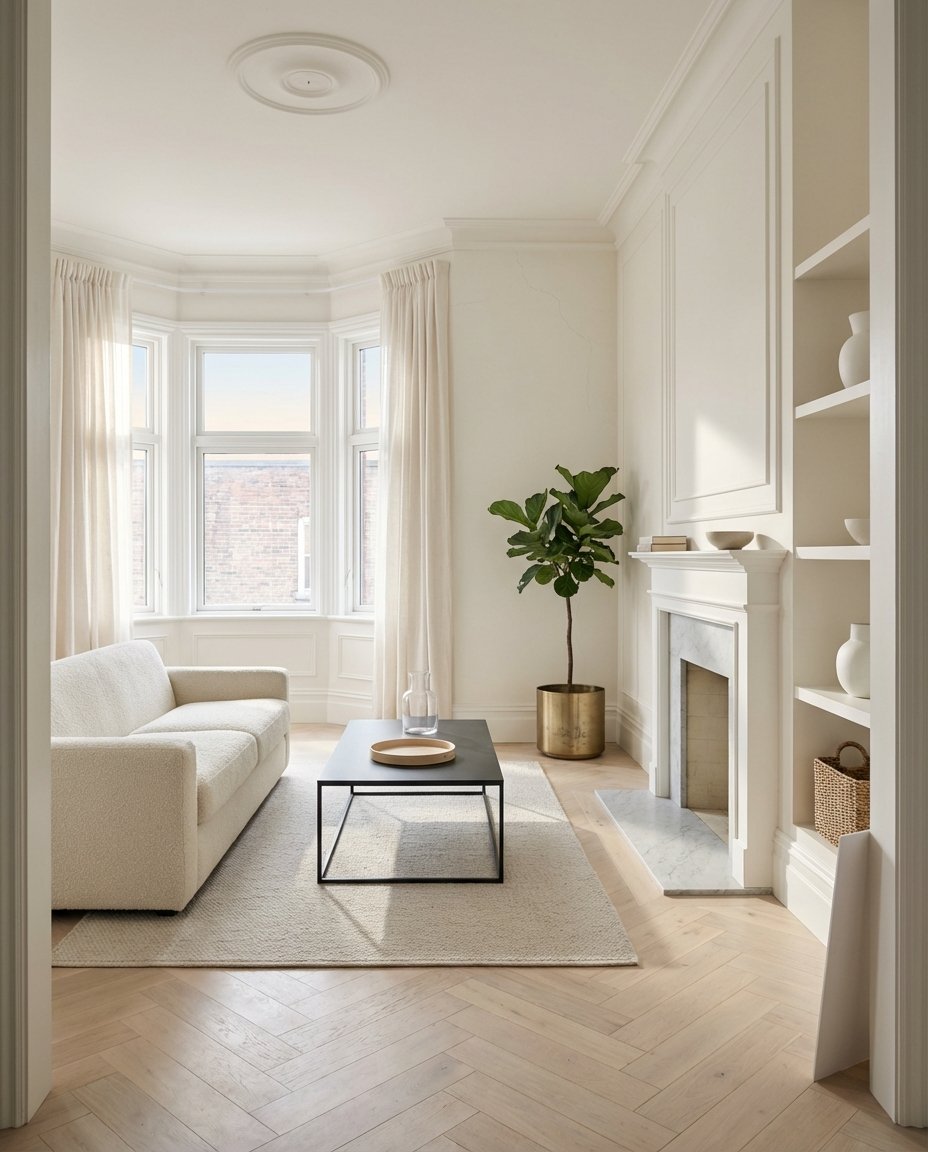
A parlor unit is the raised main floor reached by a stoop. It often delivers the tallest ceilings, the grandest front windows, and elegant plaster or woodwork. You usually get great natural light and a gracious sense of space. The tradeoffs are stairs to enter and a price premium for that height and presence.
Floor-through
A floor-through runs front to back on a single level. The big win is light from both the street and the rear, which helps with cross-ventilation and a logical flow. You avoid internal stairs, which many buyers prefer. You do give up the vertical separation that duplexes offer.
Garden or English-basement
A garden unit sits partially below grade, with windows near sidewalk level and sometimes rear access to a small yard. Expect lower ceilings and less daylight than upper levels. Moisture control and egress matter here, so ask about waterproofing, ventilation, and window sizes. The EPA’s guidance on below-grade moisture is a good primer on risks and fixes for these spaces (EPA moisture and mold basics).
Duplex or triplex
Many condos stack two or three levels into one home. This gives you separation between living and sleeping areas and can feel more like a townhouse. The flip side is stairs in daily life and tighter landings that make moving furniture a planning exercise. Vertical mechanical distribution can also affect comfort if upgrades were done piecemeal.
Top floor or penthouse
Top floors can include dormers, angled ceilings, and sometimes roof access. Light is often very good, and privacy improves. Heat gain in summer and roof-level noise can be factors, depending on insulation and equipment. Roof decks and visible rooftop structures face stricter review in this district, so confirm any deck’s approvals and understand that new, visible decks are often discouraged under the BHAC guidelines.
Amenities and building systems you will and will not find
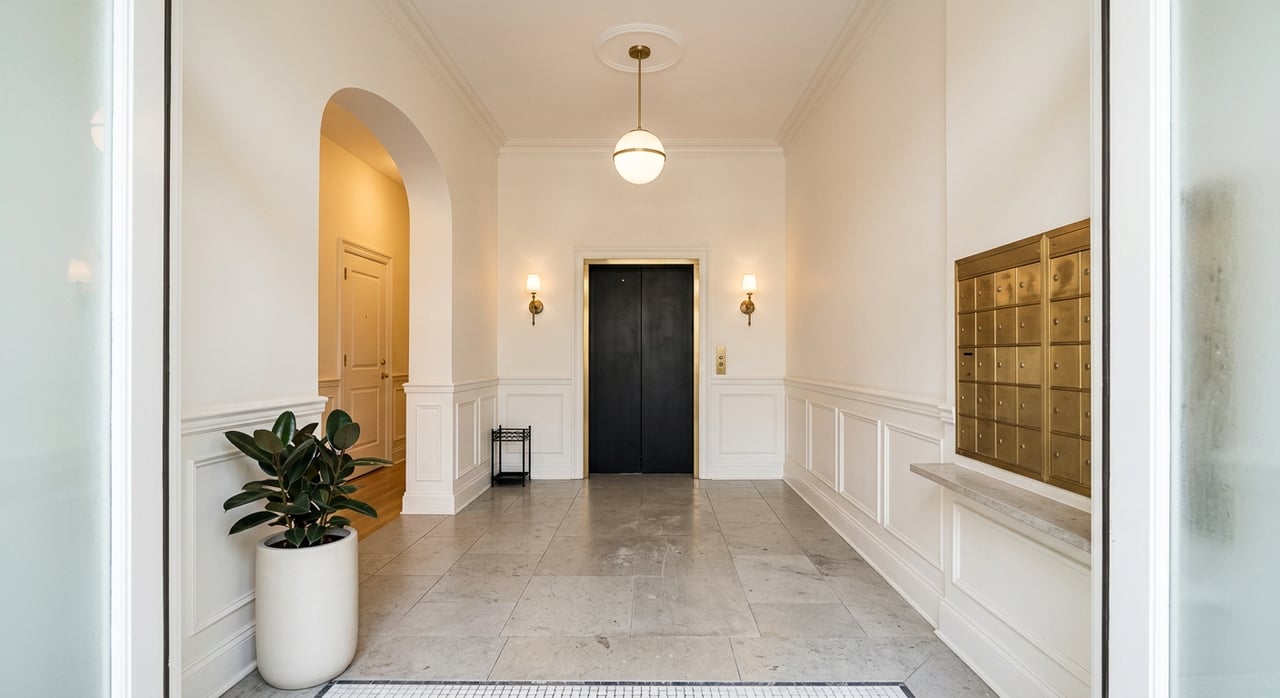
- Building amenities. Because most buildings are small historic conversions, full-service perks like a doorman, gym, or on-site garage are uncommon. Larger edges of the neighborhood or converted mansions may offer more, but you should expect limited common storage and few building-wide amenities.
- Elevators and stairs. Many walk-ups do not have elevators. Stairs can be narrow and steep, so test the route from street to unit and think about daily errands and future needs.
- Parking reality. Street parking follows the City’s resident-permit program, and deeded off-street spaces are rare and valuable. Assume no parking unless the listing states a deeded space. The BHCA guide explains the rules that apply to residents.
- Mechanical equipment placement. The BHAC requires equipment such as AC condensers and solar panels to be installed so they are not visible from a public way, and rooftop structures see strict scrutiny. If you plan to add central air or solar, budget time for approvals and placement constraints under the district guidelines.
- Condo governance. In Massachusetts, condominiums operate under Chapter 183A. Review the master deed, bylaws, budgets, reserves, and meeting minutes to understand responsibilities and upcoming projects. You can read the Massachusetts Condominium Act (Chapter 183A) to see how associations are structured.
The real tradeoffs you will weigh
- Light and views. Parlor and top floors with tall windows often deliver the best daylight. Floor-throughs with front and rear windows get balanced light. Garden units have smaller windows and less sun.
- Ceiling height and character. The parlor level often has the tallest ceilings and classic moldings. Upper and garden levels trend lower and simpler. Height adds both presence and perceived space.
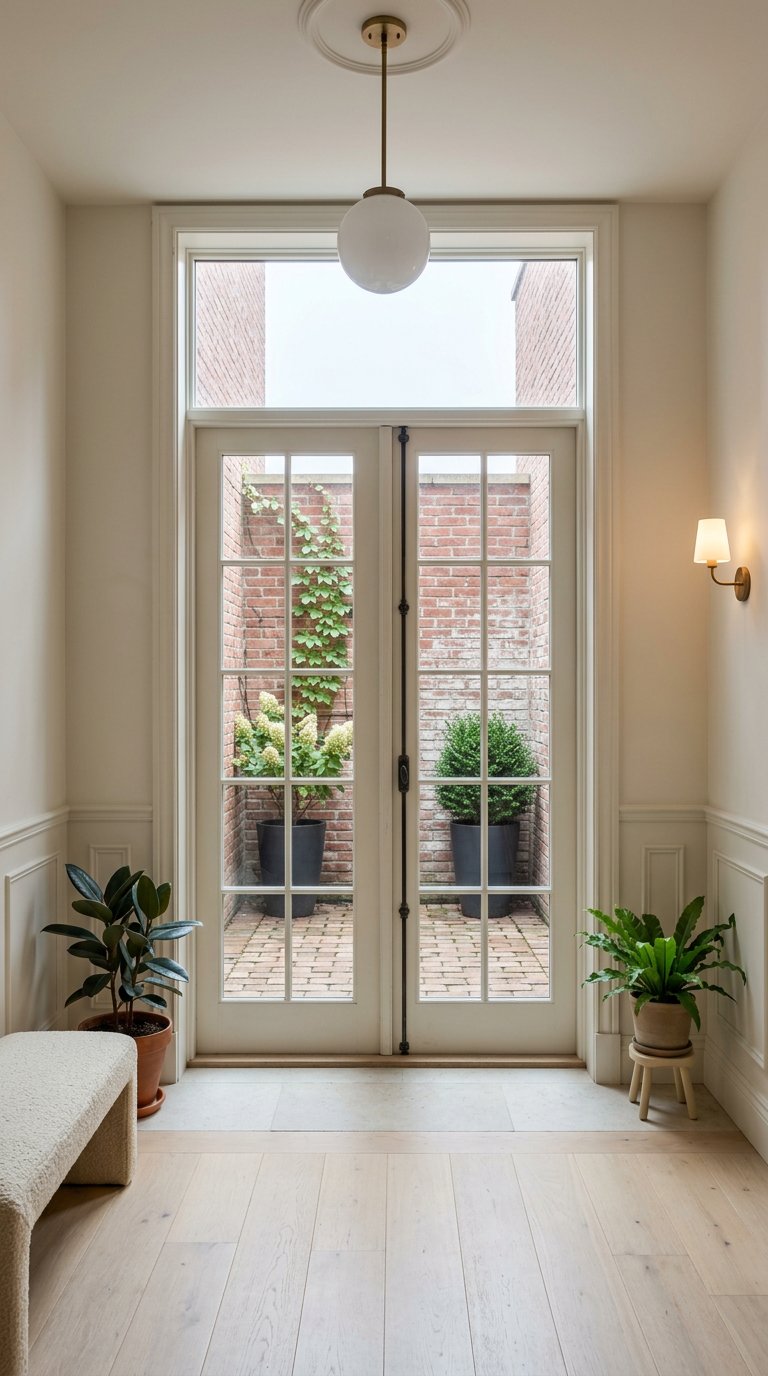
- Outdoor space. A small rear garden is possible on certain blocks. Roof decks can be great if they exist and are permitted, but visible decks are frequently restricted. Always verify approvals.
- Parking. Street parking works well for some owners, but deeded spaces are scarce and pricey. Do not assume parking unless it is in the deed.
- Noise and privacy. Garden and street-adjacent levels hear more sidewalk life. Upper floors are often quieter at the front but may pick up roof-level equipment noise.
- Accessibility and daily living. Stairs shape the experience, from stroller runs to grocery trips. Garden-level entry is easier but trades off light and ceiling height.
What to check before you offer
Photos and listing language
- Ask for window shots. If the photos avoid windows, request more angles to judge exposure and light quality.
- Watch for wide-angle distortion. Very wide shots can exaggerate room size. Ask for measurements to confirm scale. A short real estate photo checklist can help you spot red flags.
- Study the exterior. Count stoops, note any basement windows, and look at the roofline. If a roof deck appears in photos, ask for proof of BHAC approval.
Floor plans and legal status
- Confirm compass orientation. Front versus rear matters for light and privacy.
- Check window locations. Plans should show where the windows are and their sizes, not just room outlines.
- Get exact dimensions. Ask for bedroom sizes, hallway widths, and kitchen footprint to judge furniture fit and storage.
- Verify utilities and occupancy. Ask if heat, hot water, and electricity are separately metered, and confirm legal use in the master deed. Chapter 183A governs how condo responsibilities are assigned, so review the Massachusetts Condominium Act and the building’s documents.
Mechanical and regulatory diligence
- Review condo financials. Request the latest budget, reserve study, and recent assessments to spot upcoming masonry, roof, or ironwork projects common in historic buildings.
- For garden units, confirm egress and moisture history. Ask about any water intrusion, mold remediation, and ventilation strategy. The EPA’s moisture and mold basics explain why below-grade spaces need extra care.
- Plan early for exterior-visible work. Central AC, condensers, solar, larger skylights, and roof access can trigger BHAC review. The district guidelines state that equipment and decks visible from public ways are often inappropriate.
How to spot value in Beacon Hill
- Light and ceiling premium. Tall ceilings and big front windows on the parlor or a well-lit floor-through are rare and command higher price per square foot. Look for photos that show full window height and cornice lines.
- Flow over fragments. A simple floor-through with sensible room sizes often lives better than a chopped-up plan with narrow halls.
- Outdoor space, with permits. Even a petite rear garden adds daily value. If a roof terrace exists, confirm approvals and location relative to public ways.
- Parking and storage. Deeded parking or real storage is a clear differentiator in this neighborhood. Call it out and value it accordingly.
Ready to compare options?
You deserve a home that fits how you actually live on the Hill. Our team pairs hyperlocal, building-by-building knowledge with a clear plan for showings, documents, and approvals. If you want a side-by-side comparison of listings or help reading plans and condo docs, reach out to the Fedorouk and Guessous Group for tailored guidance.
FAQs
What is a parlor-level condo in Beacon Hill?
- A parlor unit is the raised main floor reached by a stoop, typically with the tallest ceilings and largest front windows, which means strong light and classic detail but more stairs and often a higher price.
Are roof decks allowed on Beacon Hill condos?
- Roof decks face strict review in the Historic Beacon Hill District, and visible decks are often considered inappropriate; always verify that any existing deck has approvals under the district guidelines.
How hard is parking for Beacon Hill condo owners?
- Street parking uses the City’s resident-permit system and varies by block; deeded off-street spaces are uncommon and valuable, so assume no guaranteed parking unless it is included in the deed and listing.
What should I know about garden or English-basement units?
- These sit partly below grade, with lower ceilings and less daylight; ask about egress, waterproofing, and any moisture or mold history, and review ventilation plans using resources like the EPA’s moisture and mold basics.
Do most Beacon Hill buildings have elevators?
- Many are walk-ups without elevators, and stair runs can be narrow and steep, so test the route from sidewalk to door and consider daily routines before you commit.
What condo documents should I review before buying in Beacon Hill?
- Review the master deed, bylaws, budgets, reserves, meeting minutes, and any special assessments; Massachusetts condominiums operate under the Chapter 183A Condominium Act, which outlines association structure and owner responsibilities.